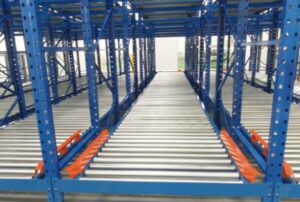
UpgradingWarehouseLoad-BearingCapacity
The core of warehouse turnover is far more than merely holding goods. In high‑load, high‑frequency, humid and dusty industrial environments, pallets’ durability, safety and compatibility directly determine the efficiency of the whole supply chain.
01 Adaptation to Harsh Warehouse Conditions
✅ High load‑bearing capacity for high‑rack stacking
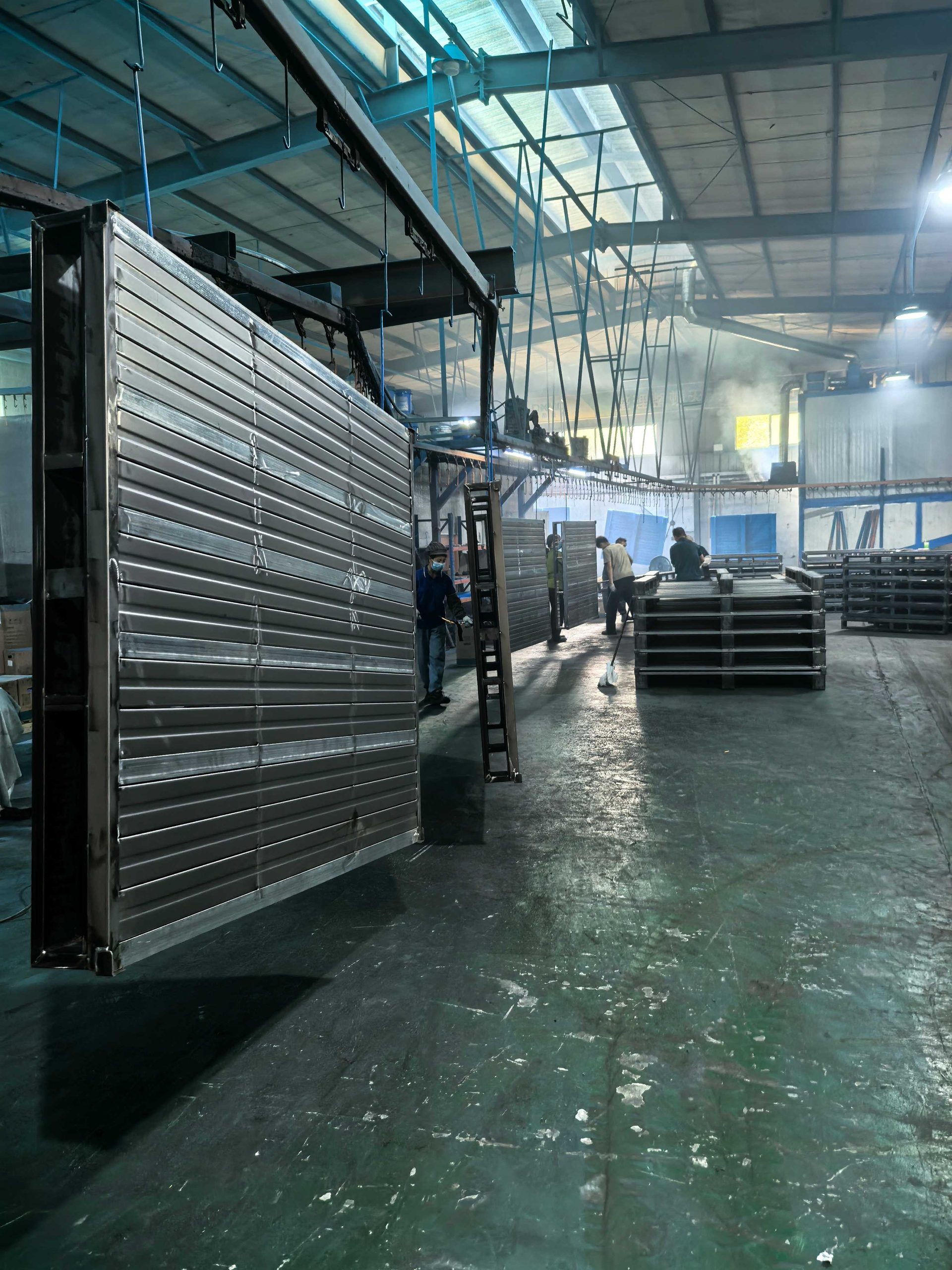
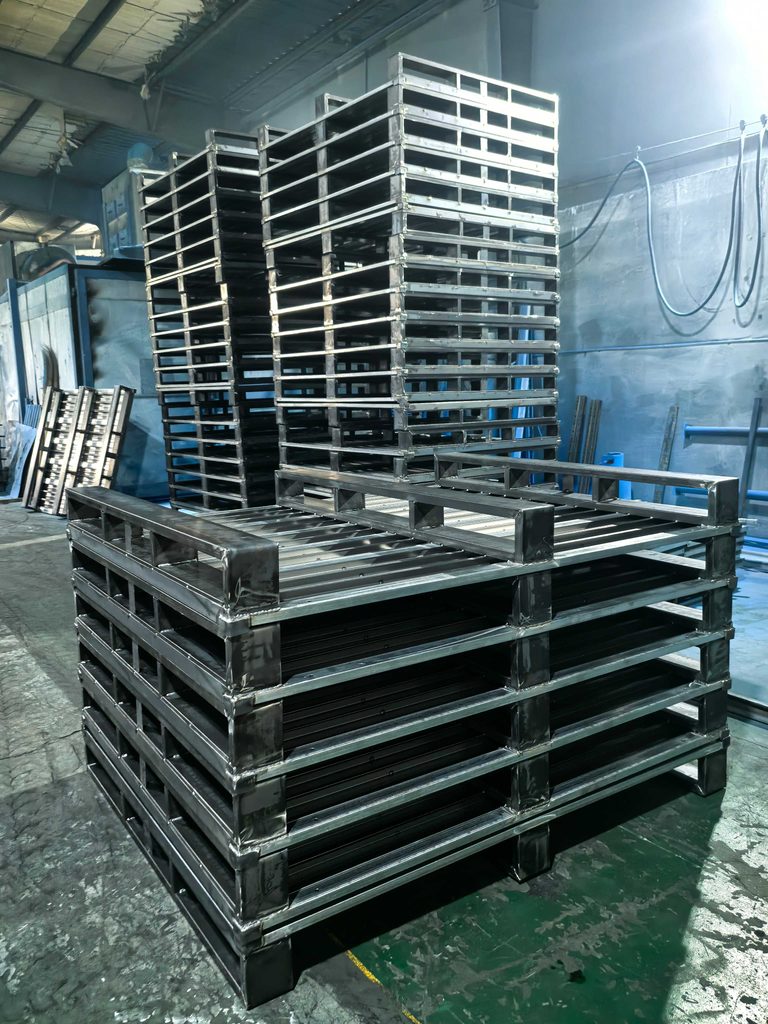
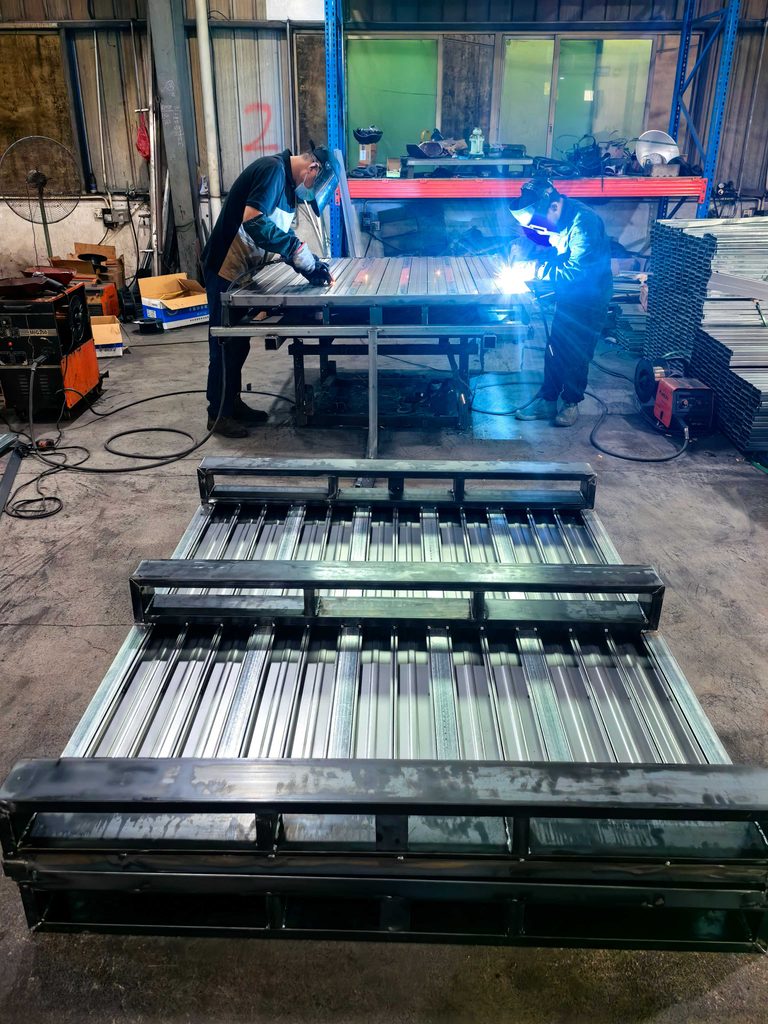
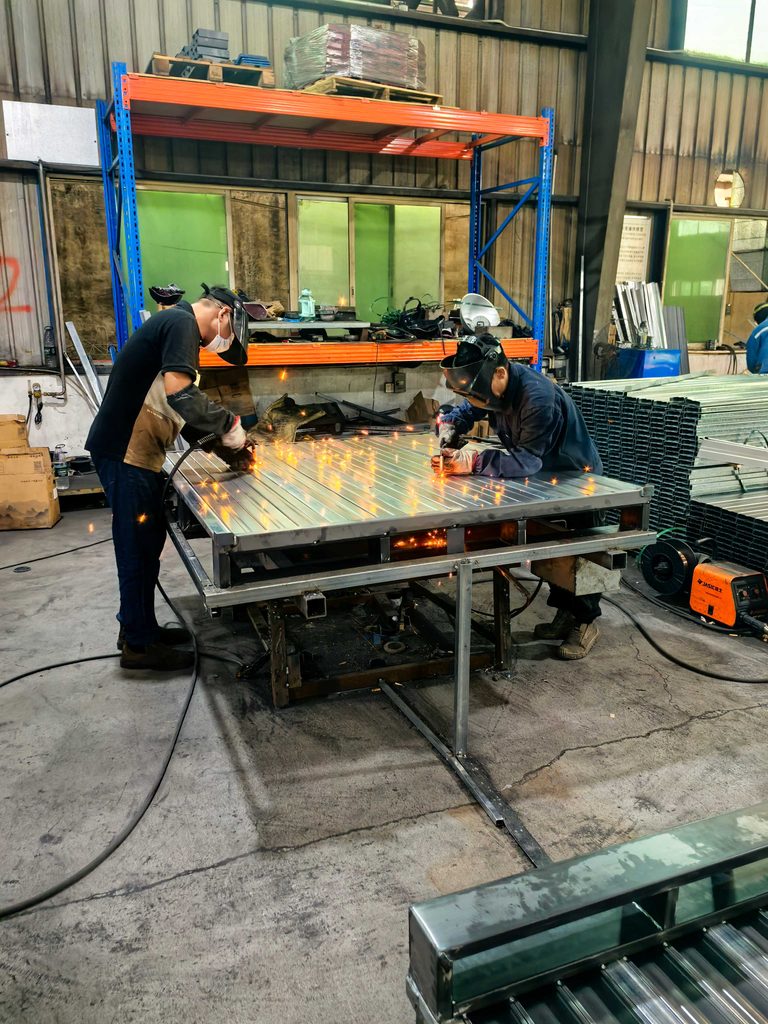
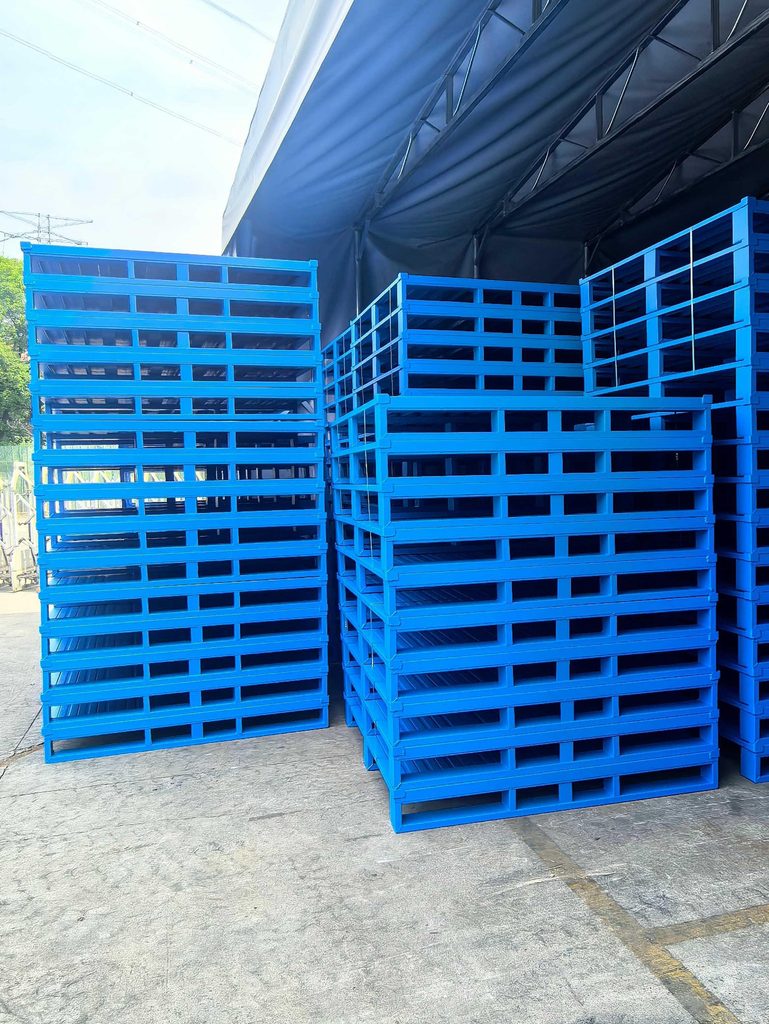
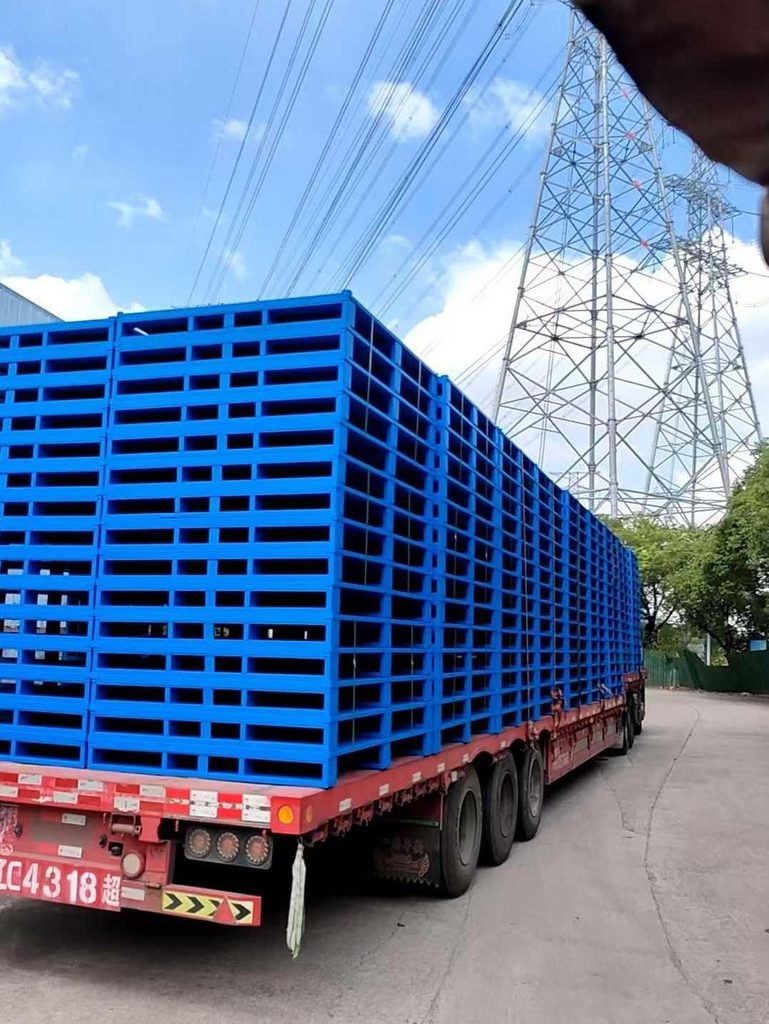
High‑quality steel pallets are profile‑welded for stable structure with high static and dynamic load ratings. Compatible with forklifts and stackers for multi‑layer stacking, they handle heavy‑duty materials, metal parts and bagged raw materials with minimal bending or deformation.
✅ Robust against harsh conditions for extended service life
Resistant to moisture, mildew and pests; tolerant of warehouse temperature swings and mild chemical corrosion. They avoid common drawbacks of wooden pallets (wood chips shedding) and plastic pallets (brittleness in low temperature, softening in high heat). With proper use, they outlast wood‑plastic pallets and deliver lower long‑term amortized costs.
✅ Compliant with safety & regulatory standards
No fumigation or quarantine requirements for hassle‑free export shipping. Solid construction prevents breakage and falling splinters. Suitable for clean workshops, food & pharmaceutical warehouses and hazardous‑material storage with strict cleanliness requirements, plus excellent fire resistance.
✅ Compatible with automated warehousing systems
Customizable dimensions with flat surfaces and low deformation. They work seamlessly with AGVs, shuttles and high‑bay racking for stable scanning recognition, making them a popular load‑carrier choice for warehouse automation retrofits. They can also be nested when idle to save storage space.
02 Selection Pitfalls to Avoid
Steel pallets are not one‑size‑fits‑all. Poor selection leads to short service life and equipment jams.
- Define application scenarios: floor‑level circulation, rack storage or automated high‑bay use? Bending resistance and deflection requirements vary greatly across working conditions.
- Confirm load specifications: distinguish static load, dynamic load and rack‑supported load. Many buyers only check maximum static load, creating safety risks for rack‑mounted applications.
- Fork‑entry direction: two‑way or four‑way entry, based on on‑site forklift routes.
- Surface finish: powder‑coating or galvanizing are available. Hot‑dip galvanizing is preferred for humid or coastal sites for superior rust protection.
- Auxiliary accessories: non‑slip rubber pads, edge guards and limit stops may be added on demand to prevent cargo shifting.
03 Warehouses Suitable for Steel Pallets
- Facilities storing heavy raw materials, metal castings, cables and coiled goods long‑term
- High‑turnover factory warehouses and export‑oriented warehouses with frequent customs clearance & shipments
- Automated high‑bay warehouses and dense storage projects
- Warehouses requiring moisture resistance, open‑air temporary storage, fire safety or high cleanliness standards
 StorLogi