Selective Pallet Racking SystemThe Core Load-Bearing Solution for Industrial Warehousing
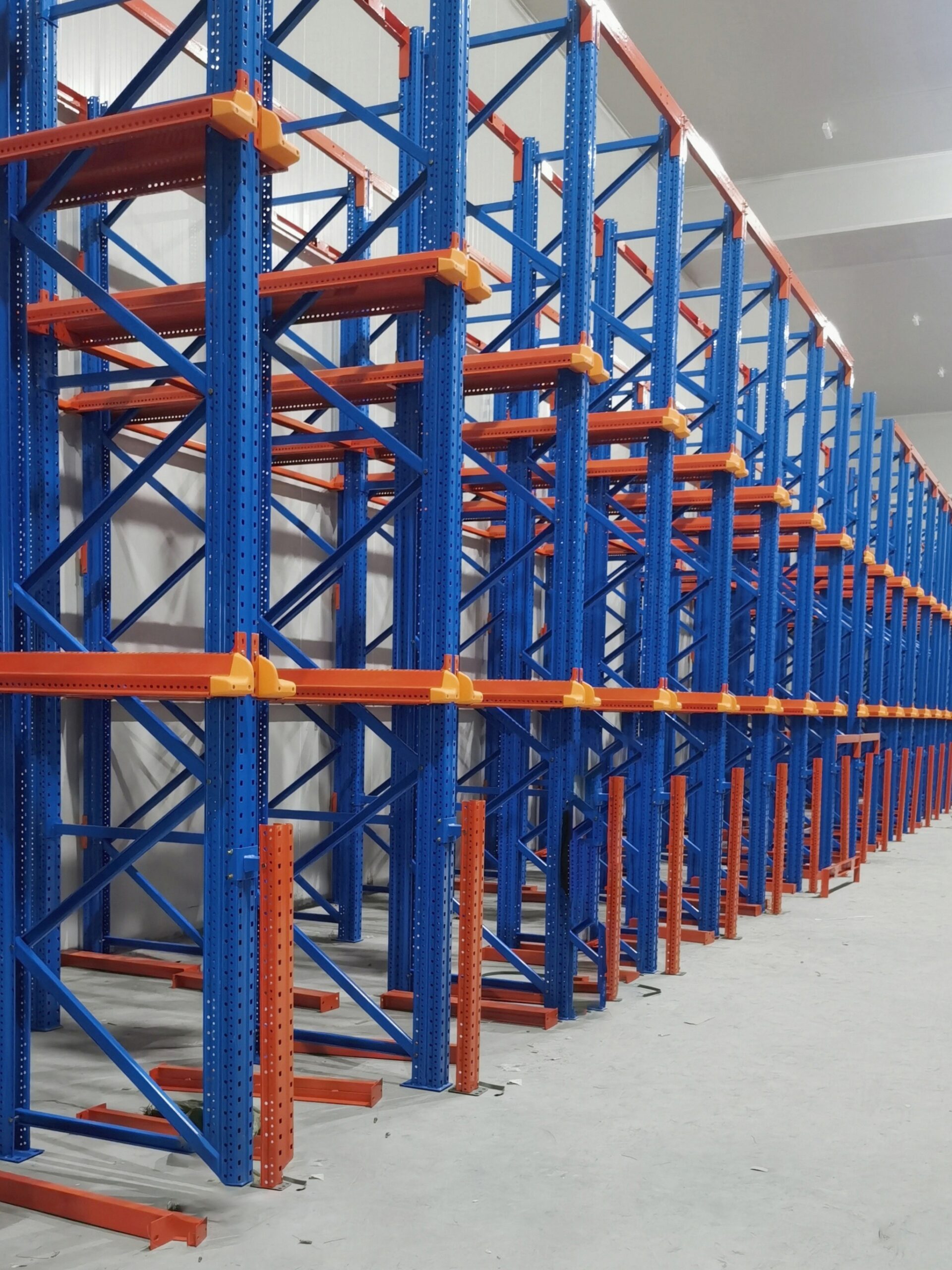
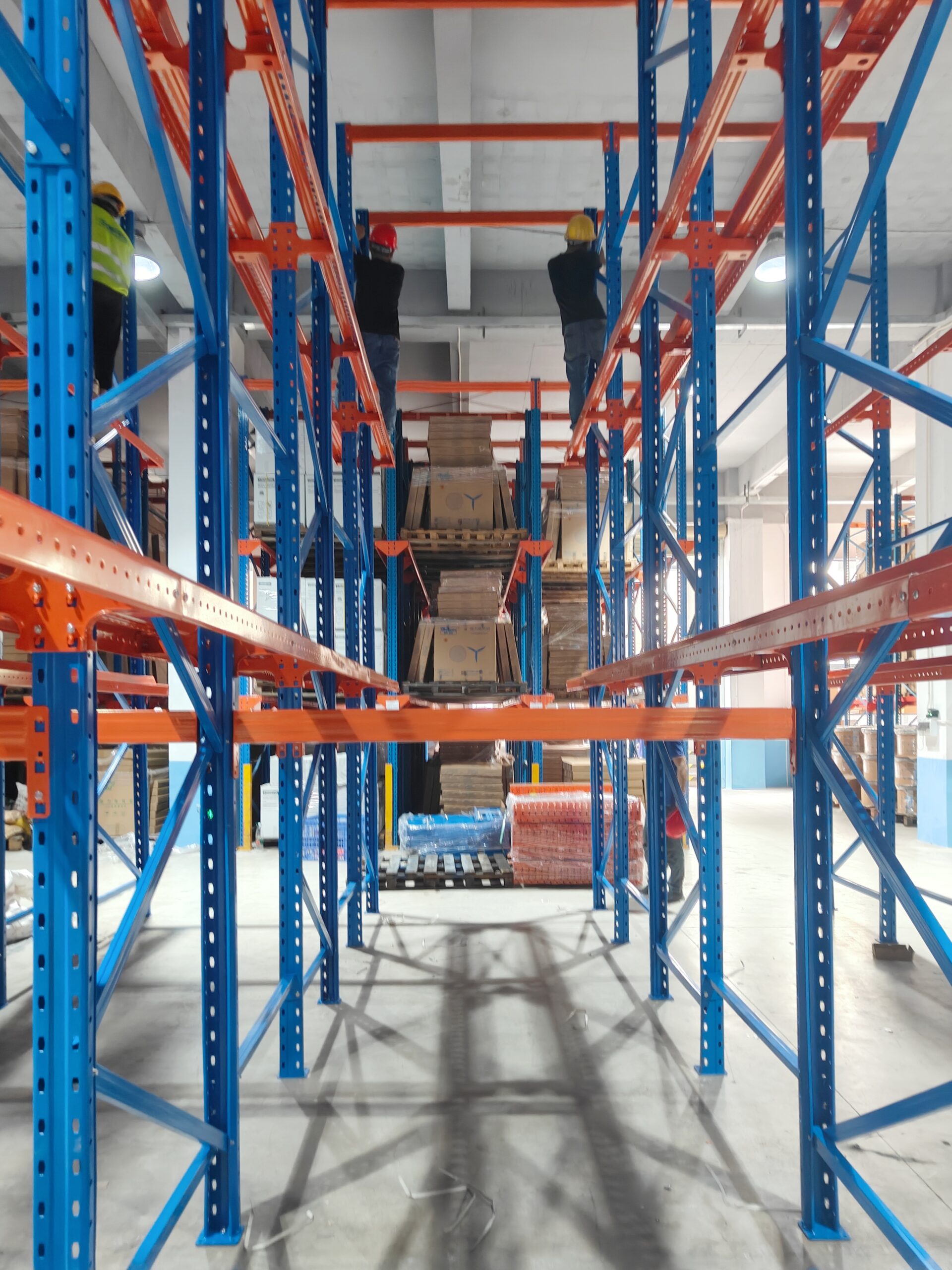
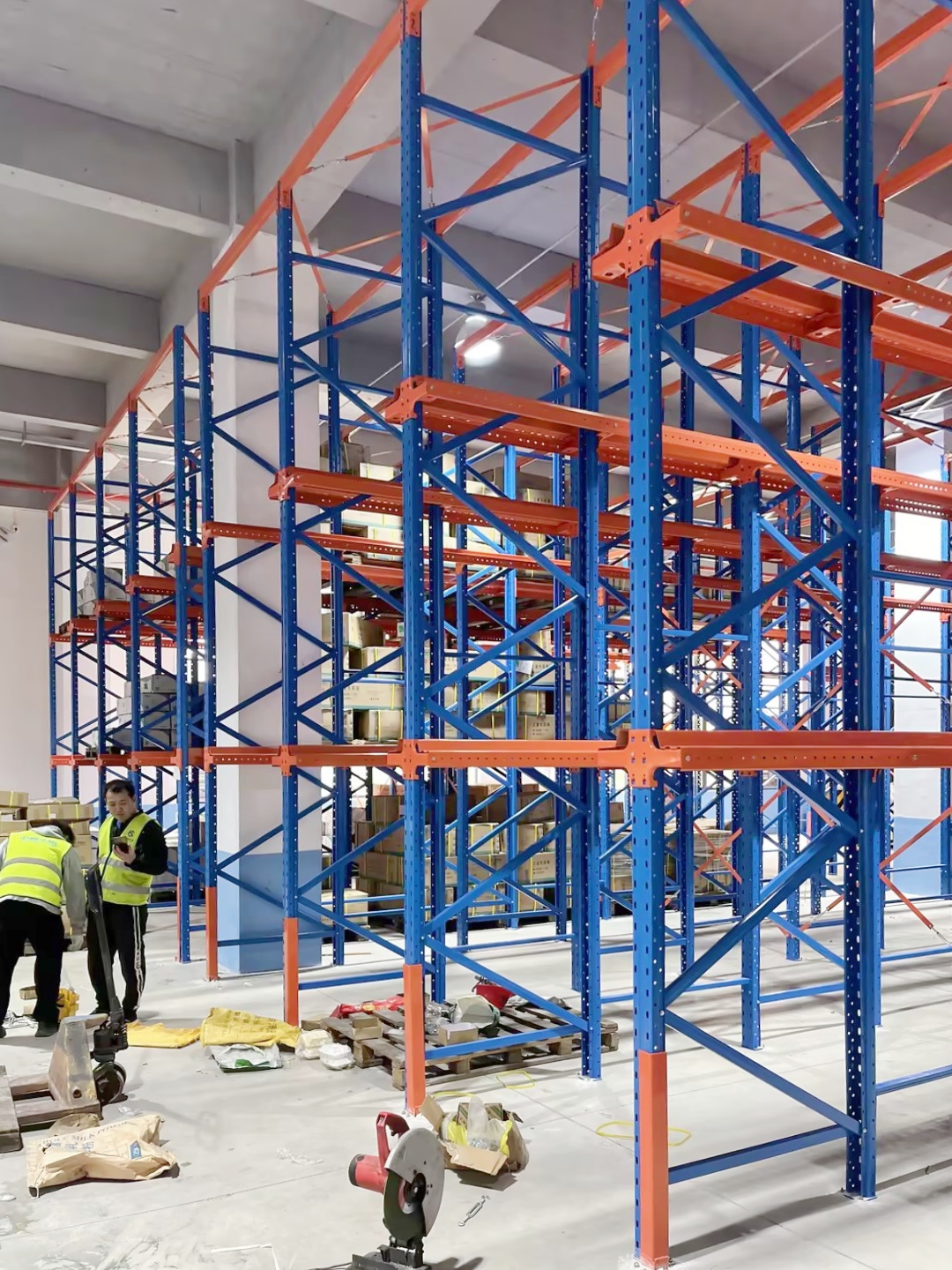
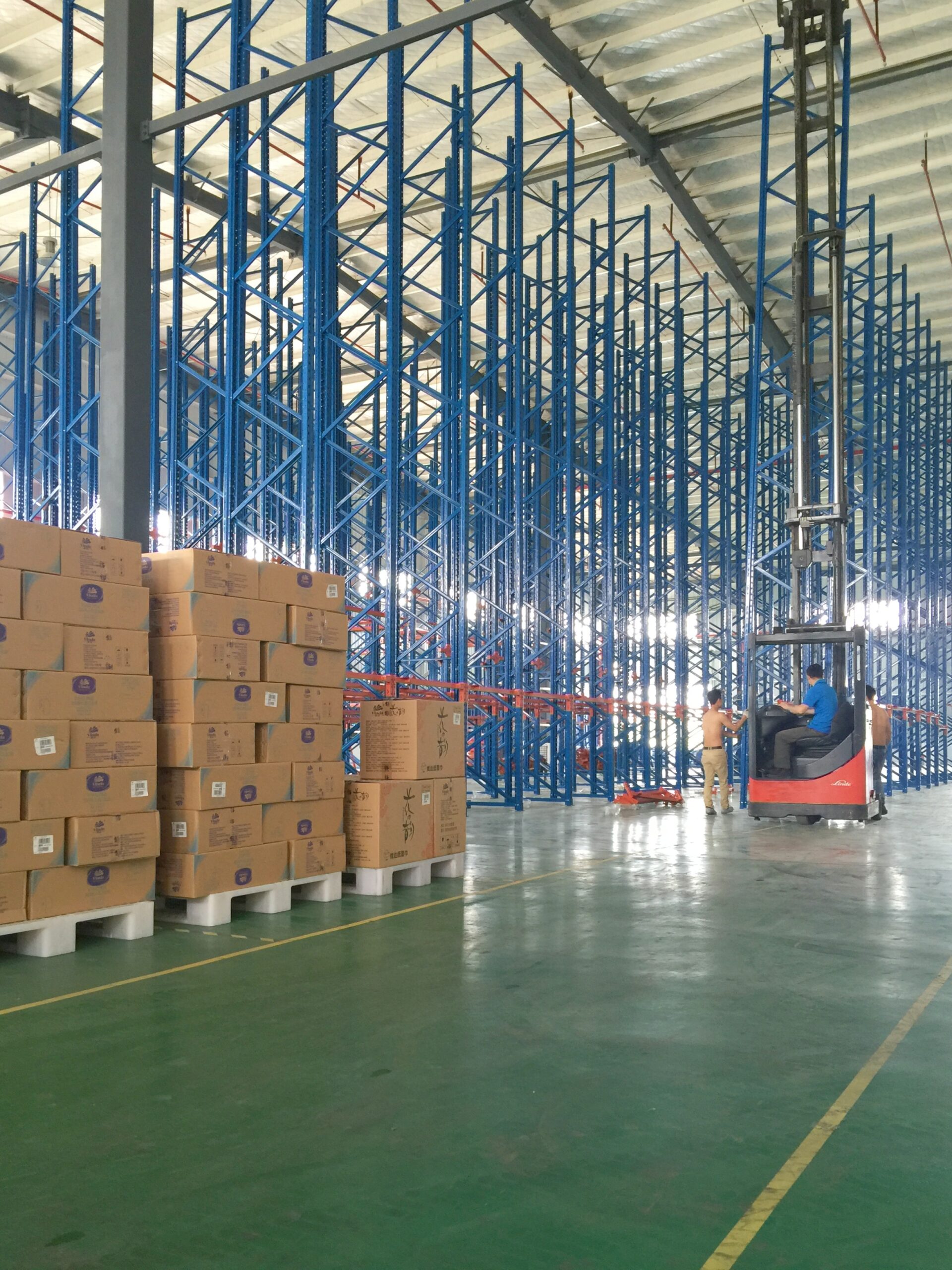
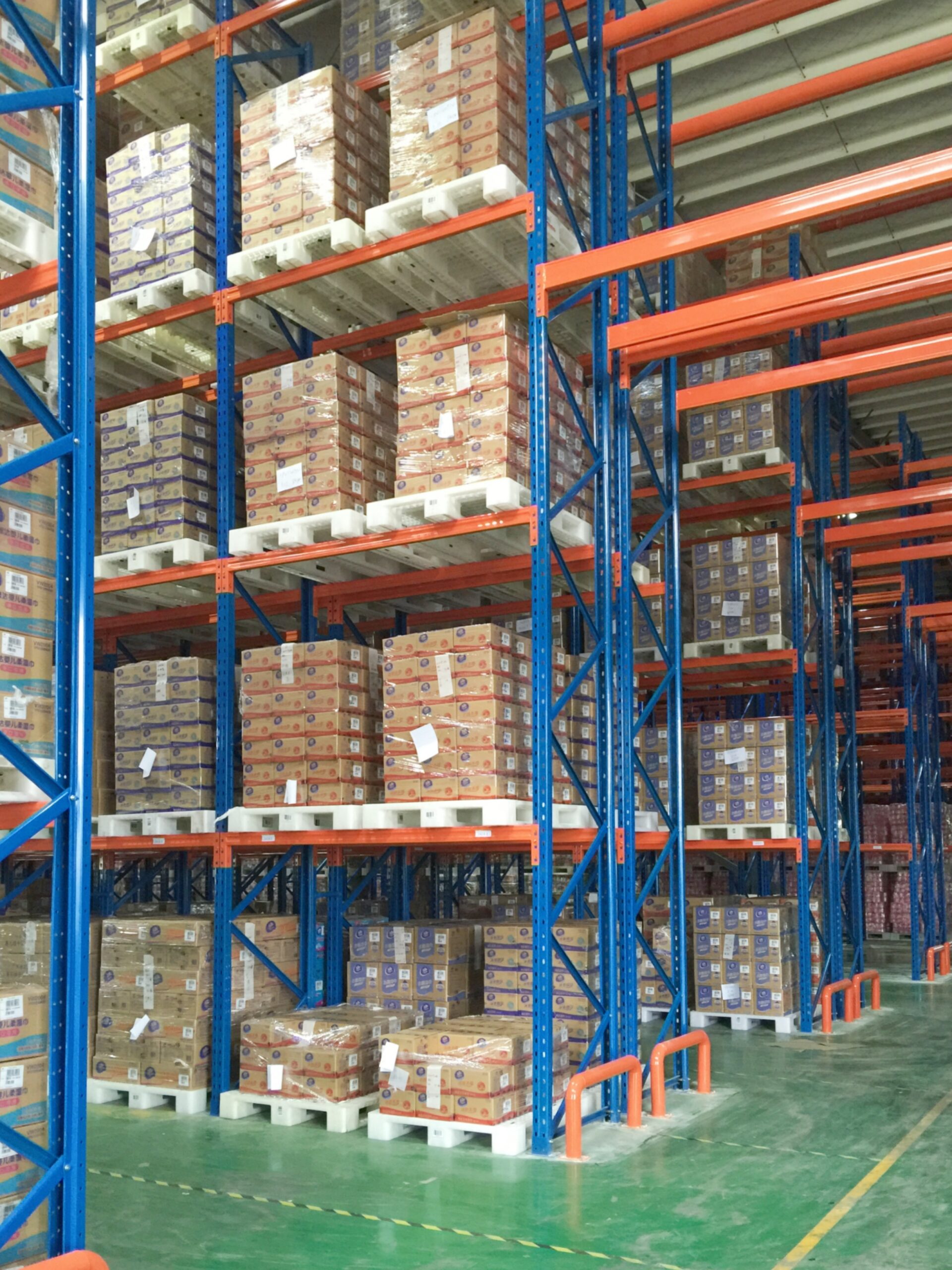
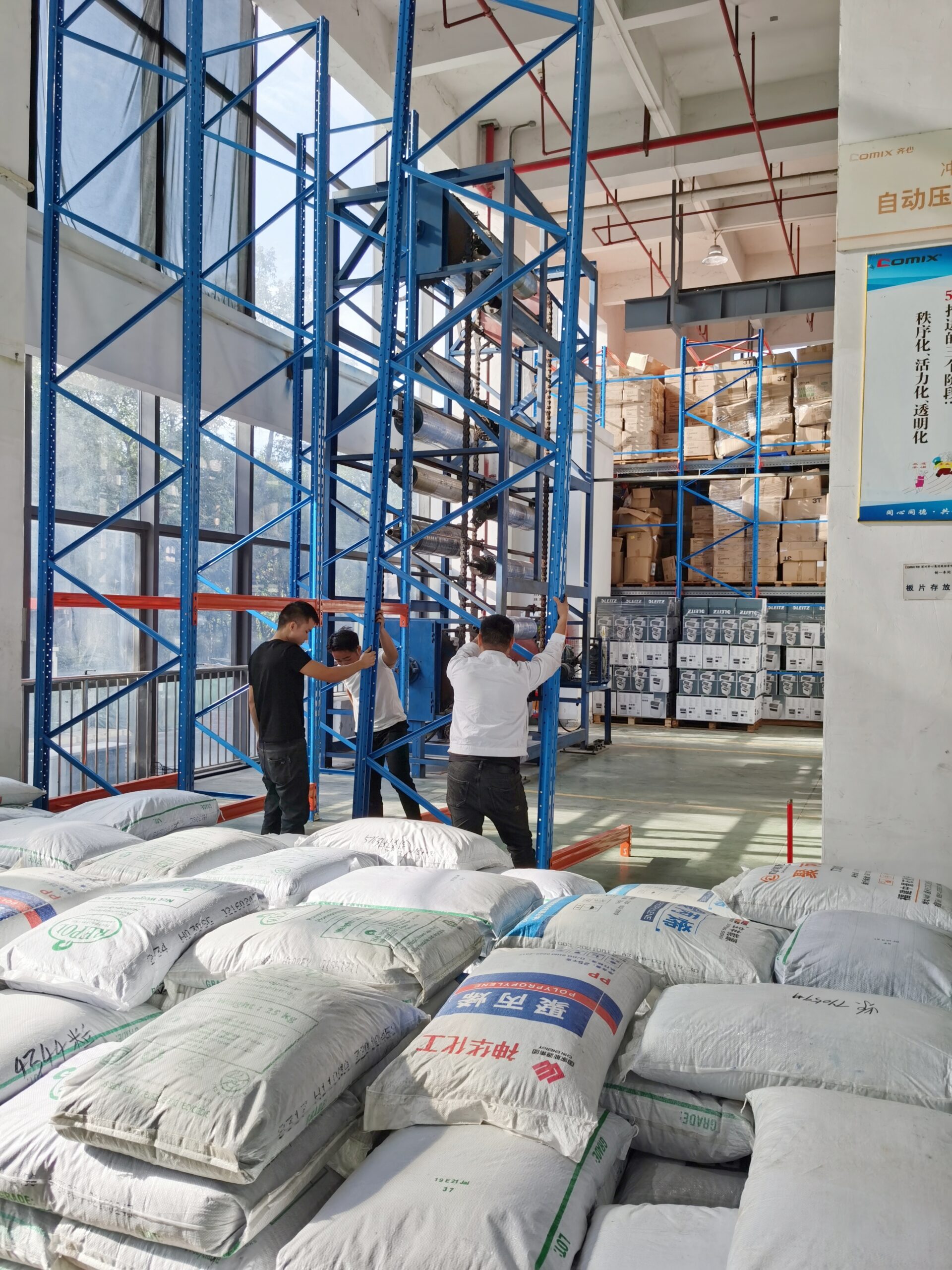
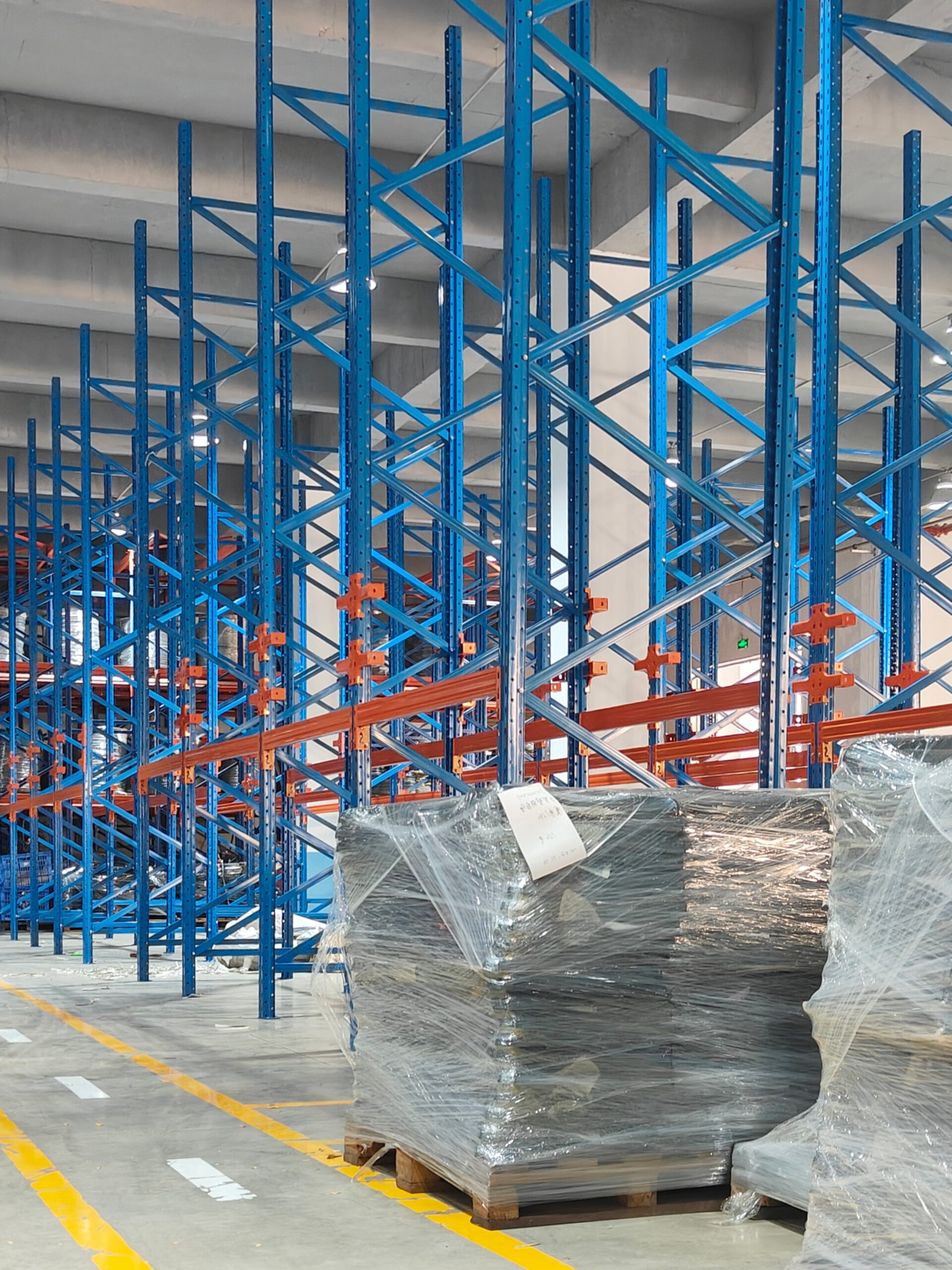
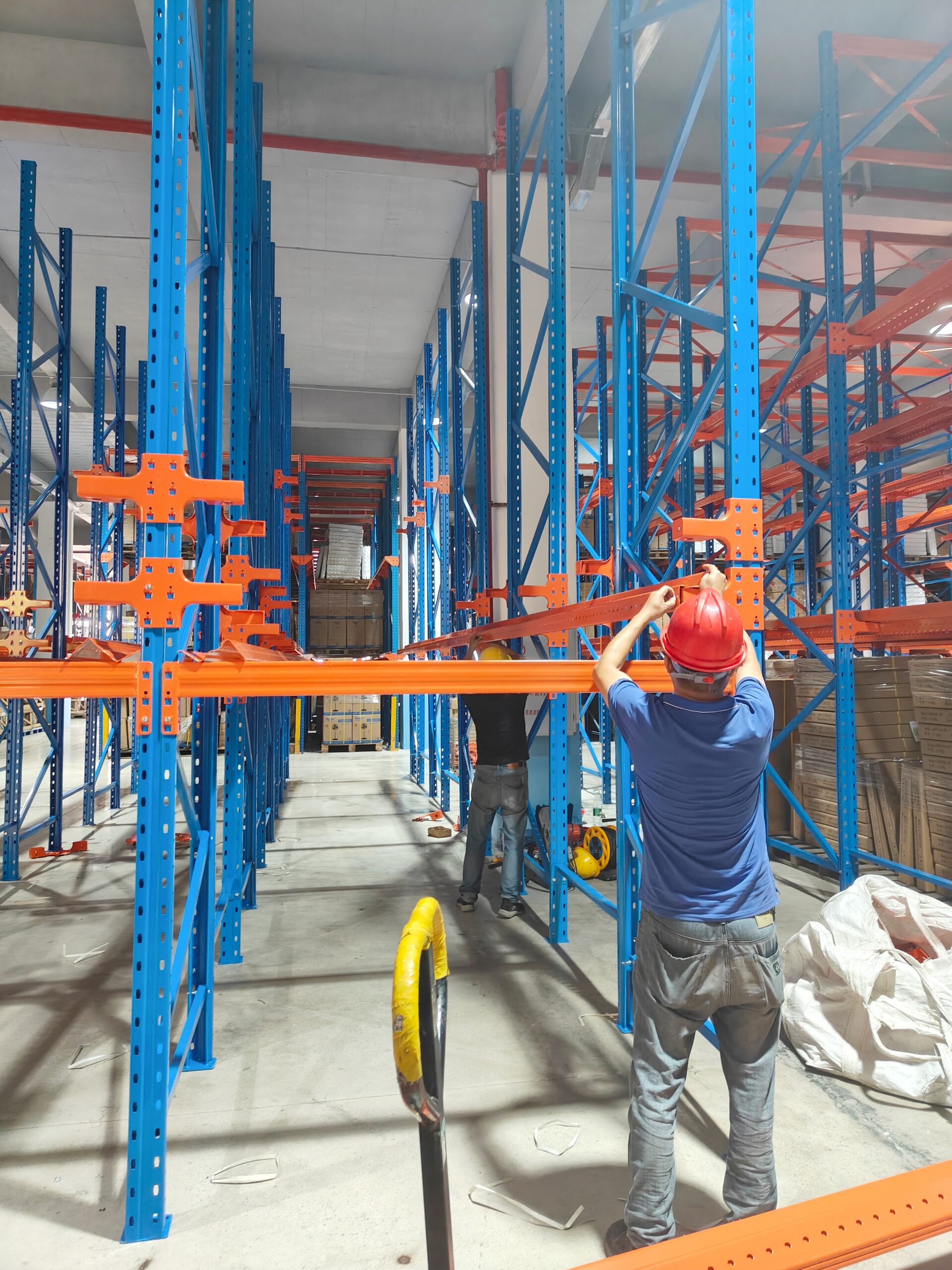
In the spatial efficiency upgrade of modern industrial warehousing, the heavy-duty beam racking system is a benchmark storage solution that balances load-bearing strength, operational flexibility, and full-lifecycle adaptability. The semi-installed state in the image fully demonstrates the professional design core of its modular structure.
1. Professional Design Logic of the Structural System
This racking system uses cold-formed steel as the core structural material, achieving high rigidity and adjustability through the combination of standardized components:
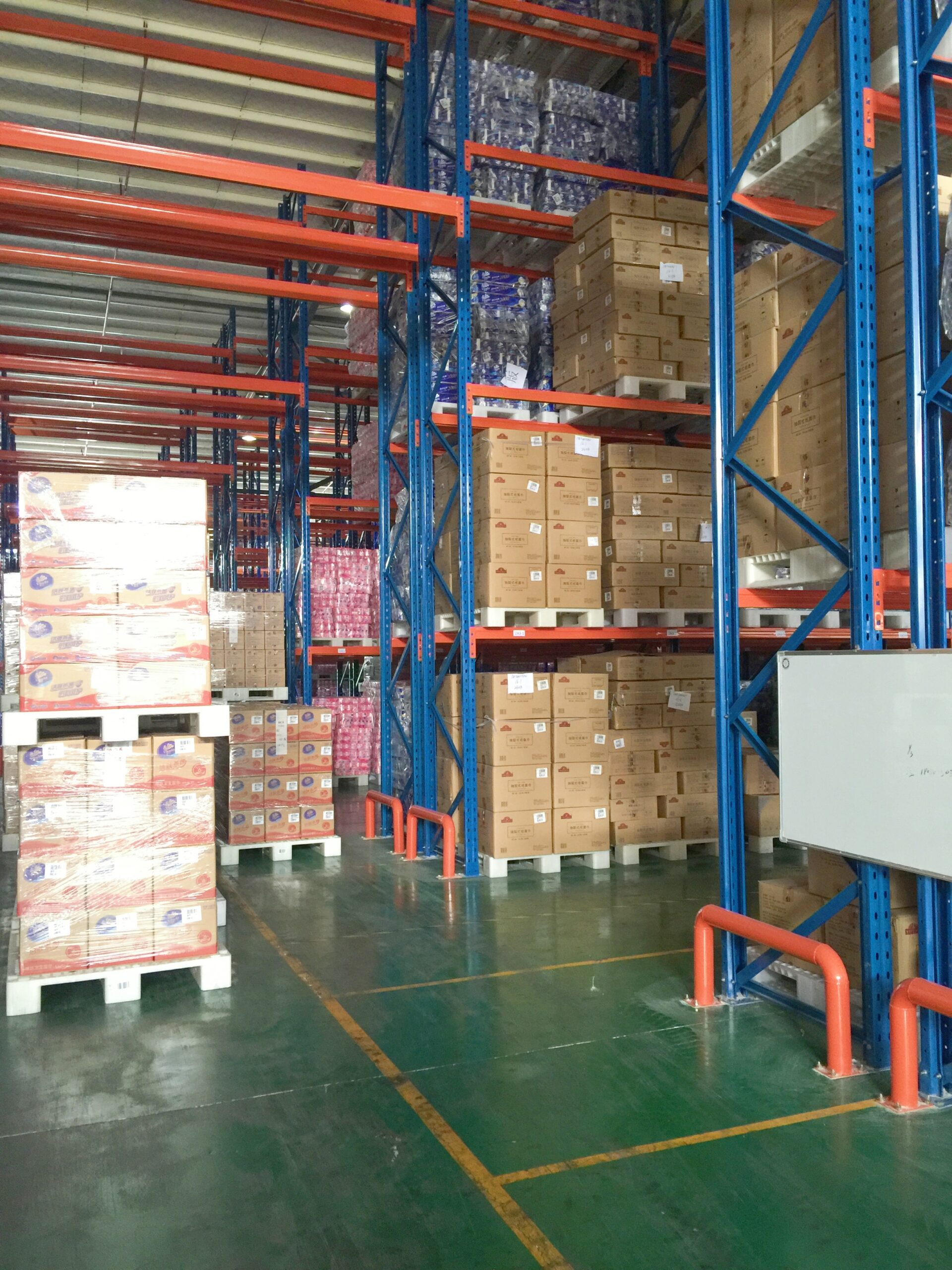
- Upright Frame Unit: Made of Q235B grade cold-formed steel, surface treated with shot blasting rust removal + epoxy powder electrostatic spraying for excellent corrosion resistance; the upright surface adopts a butterfly/diamond hole array design with standardized hole spacing, providing fine-grained gradients for beam height adjustment to adapt to mainstream pallet sizes and cargo stacking height requirements.
- Beam Unit: Adopts a clip-in structure design, the main body is Q235B grade cold-formed steel, with dedicated locking clip assemblies at both ends. After clipping into the upright holes, it is re-fastened with high-strength bolts to ensure connection stability under dynamic load operations; the beam deflection complies with national storage rack design standards.
- Frame Stabilization System: Upright frames are connected by cross braces + diagonal braces to form a rigid frame, with the angle between diagonal braces and uprights scientifically set, ensuring sufficient lateral stiffness of a single row of racks to meet the stability requirements of steel structure design standards.
2. Professional Matching of Load-Bearing Performance and Scenario Adaptability
As a heavy-duty storage unit, the load-bearing design of this system strictly matches the operational needs of industrial scenarios:
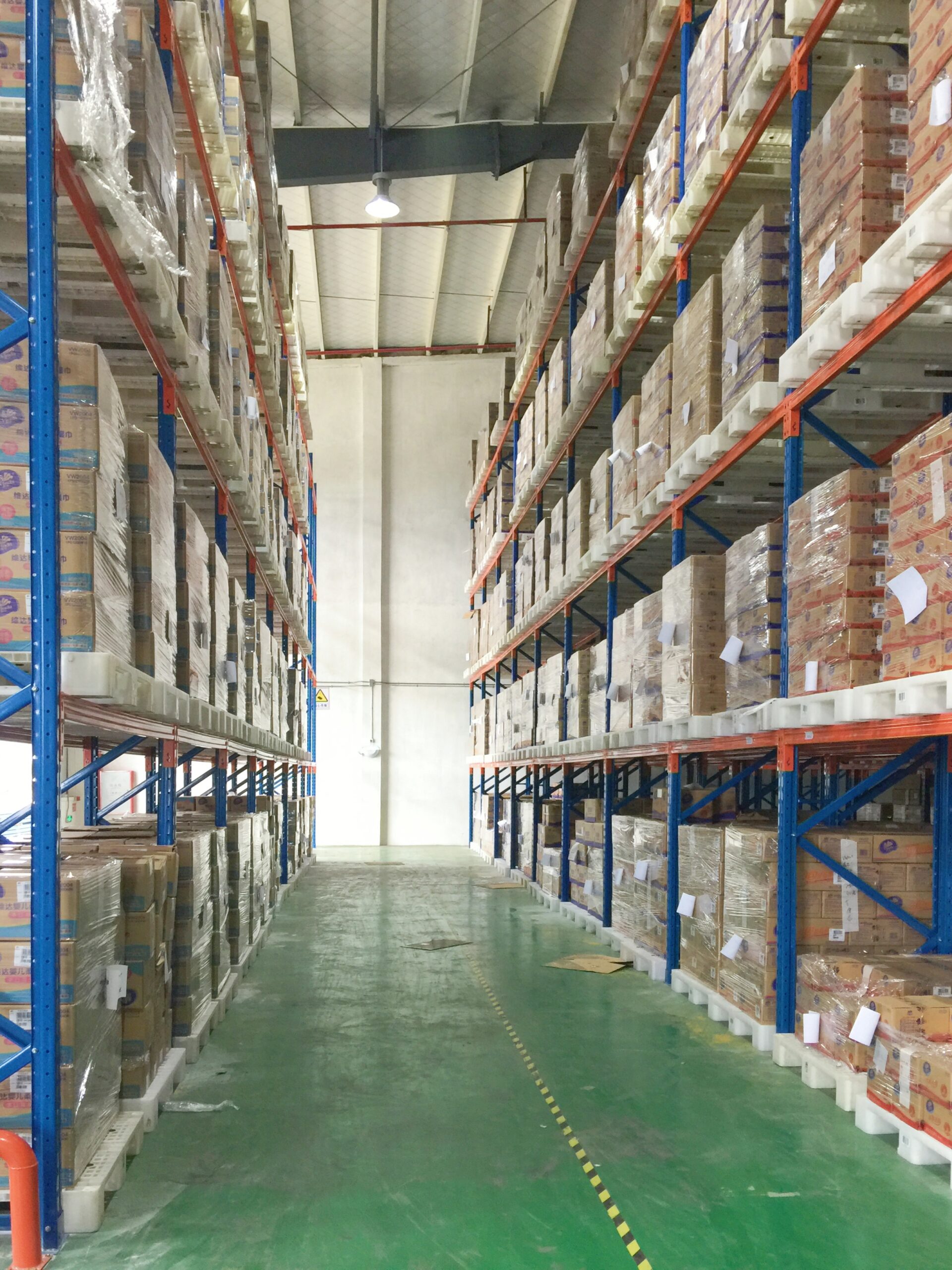
- Load Classification: Divided into medium-heavy, heavy, and extra-heavy based on per-pallet load; load parameters must be verified by static/dynamic load tests from third-party testing institutions to ensure safety in use.
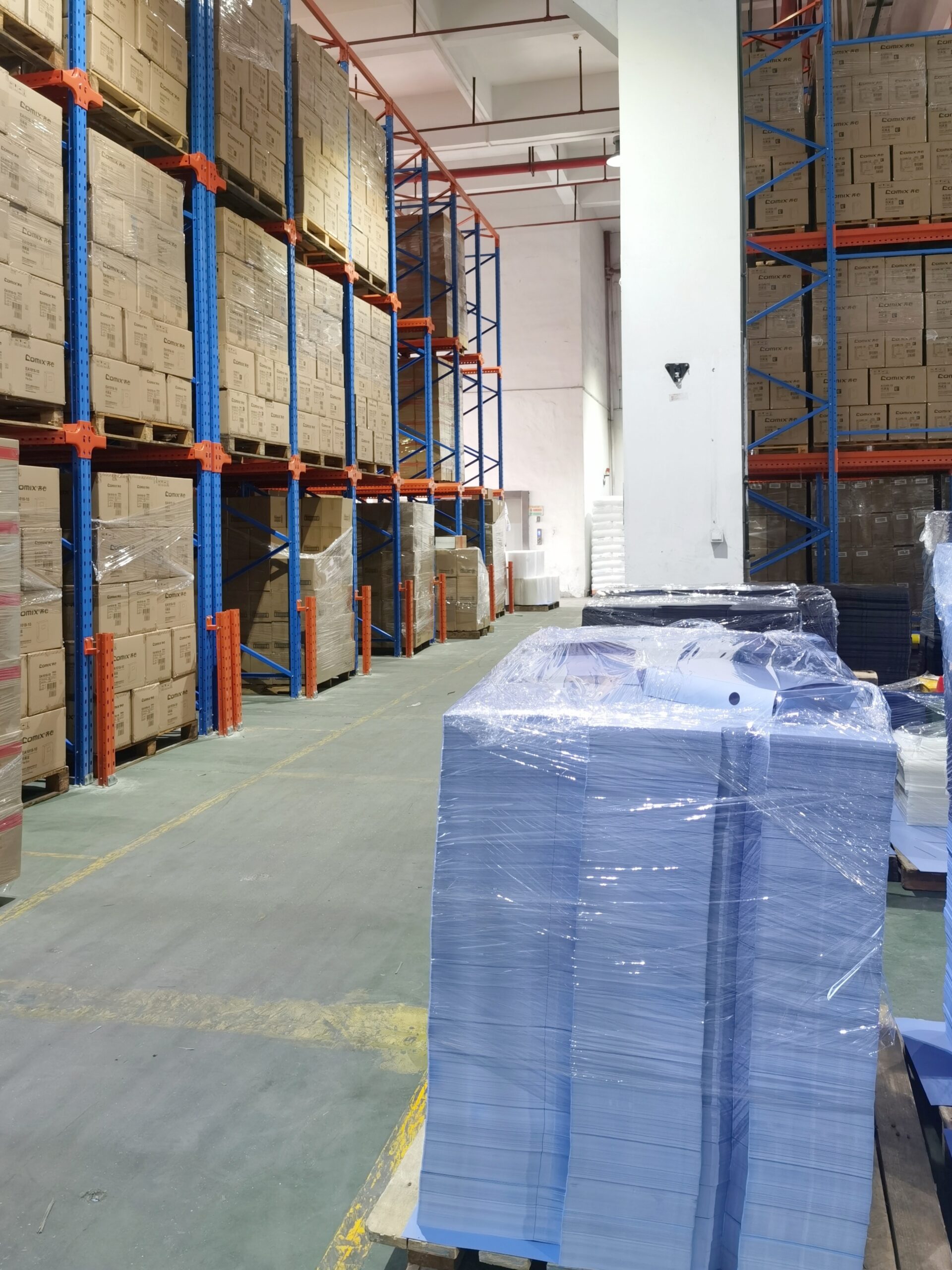
- Scenario Coverage: Manufacturing Raw Material/Finished Product Warehouses: Suitable for bulk storage of heavy parts and bulk materials, enabling “direct pallet location access” with counterbalance forklifts;
- E-commerce/Retail Distribution Warehouses: Supports multi-SKU, fast-turnover pallet unit management, with aisle widths matching the operating radius of reach trucks;
- Third-Party Logistics Hub Warehouses: Standardized structure can quickly adapt to the storage needs of different customers, and integrate with WMS for digital location control.
3. Professional Standard System for Installation and Operation & Maintenance
The implementation effect of this racking system depends on full-process professional control:
- Installation Quality Control: Strictly control key indicators such as upright verticality and beam levelness on the same layer; the locking bolts between beams and uprights must be tightened to the standard torque;
- Safety Protection: Anti-collision column protectors are installed at the bottom of uprights, and adjustable guardrails are set on the aisle side of the racking, complying with the protection requirements of the storage rack safety code;
- Operation & Maintenance Specification: Regularly inspect connection bolts and beam deflection, and conduct regular static load rechecks to ensure the structural safety of the racking within its design service life.
From structural design to scenario implementation, this heavy-duty beam racking system, with its “standardization, high load-bearing, and expandability” characteristics, has become the core carrier for spatial efficiency upgrading in industrial warehousing, helping enterprises achieve dual improvement in storage density and operational efficiency.
 StorLogi