Pallet Racking: A Versatile Solution for Efficient Warehouse Expansion
In today’s fast-paced modern warehousing and logistics industry, maximizing efficient storage, rapid access and standardized management within limited space has become a core priority for enterprises to improve supply chain efficiency. As a widely adopted standard storage solution, Pallet Racking (also known as Beam Racking) features high load capacity, strong compatibility and great flexibility. It is the most commonly used storage equipment across various warehouses and the top choice for enterprises upgrading their warehousing systems.
1. Core Structure
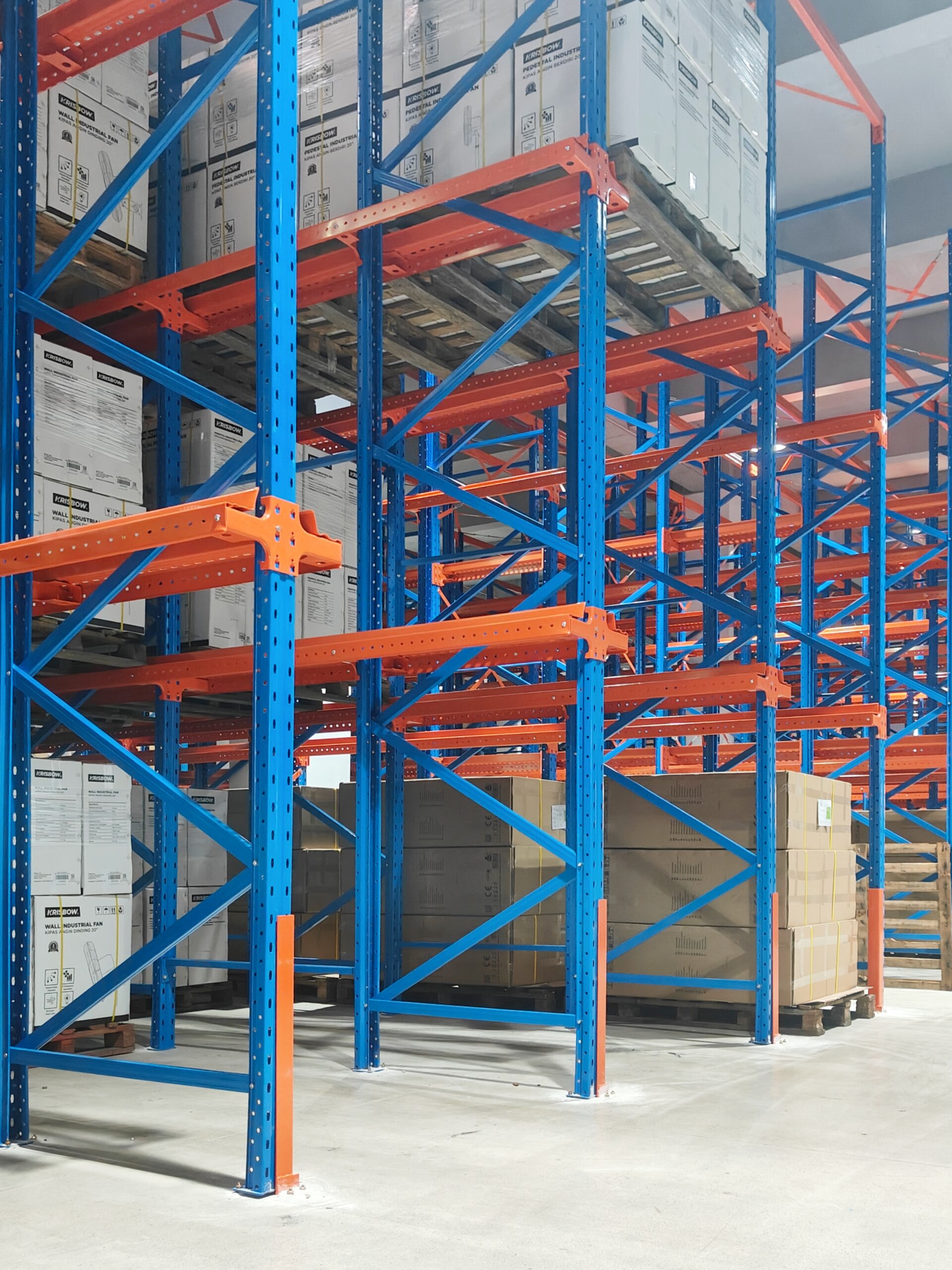
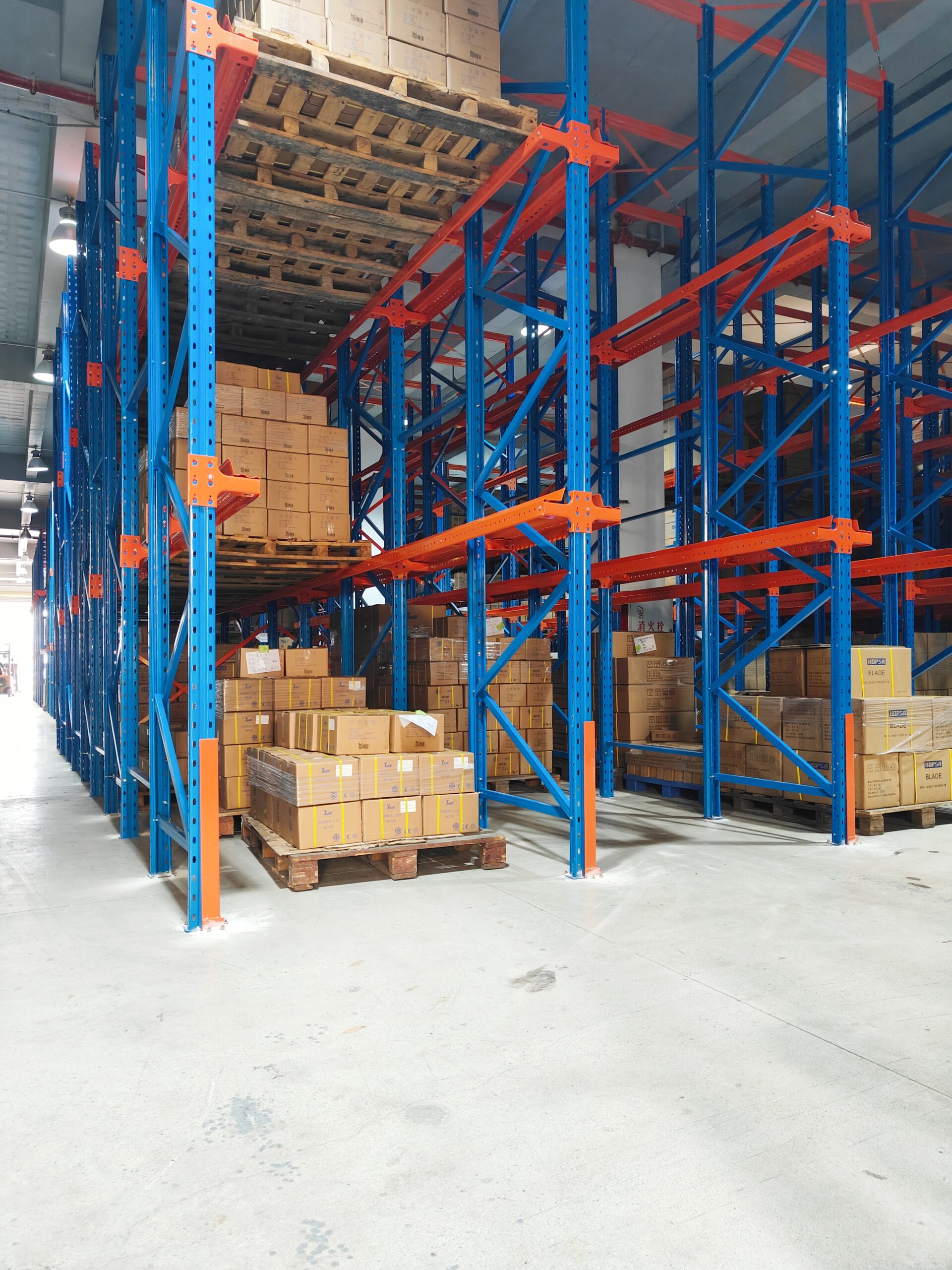
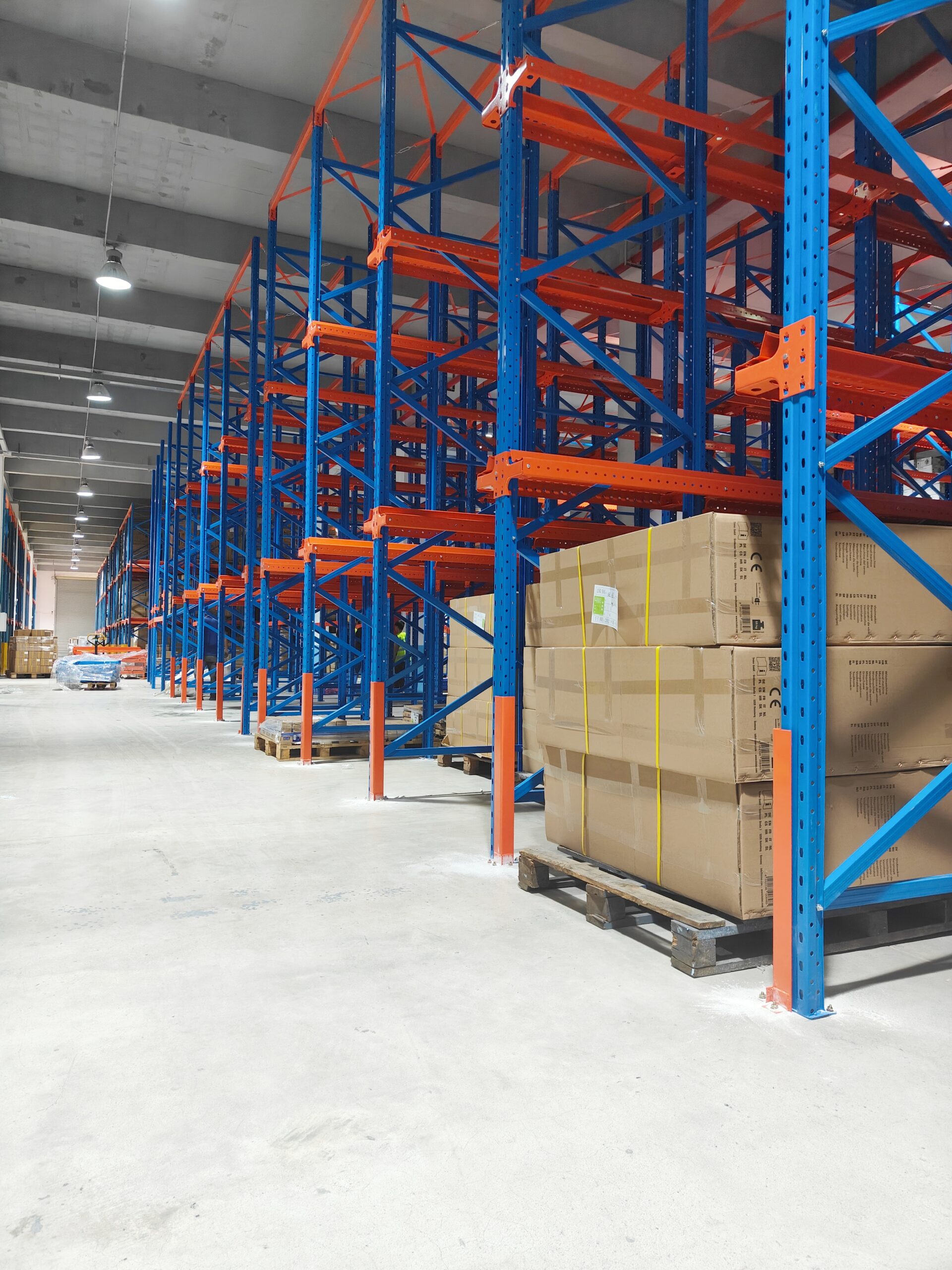
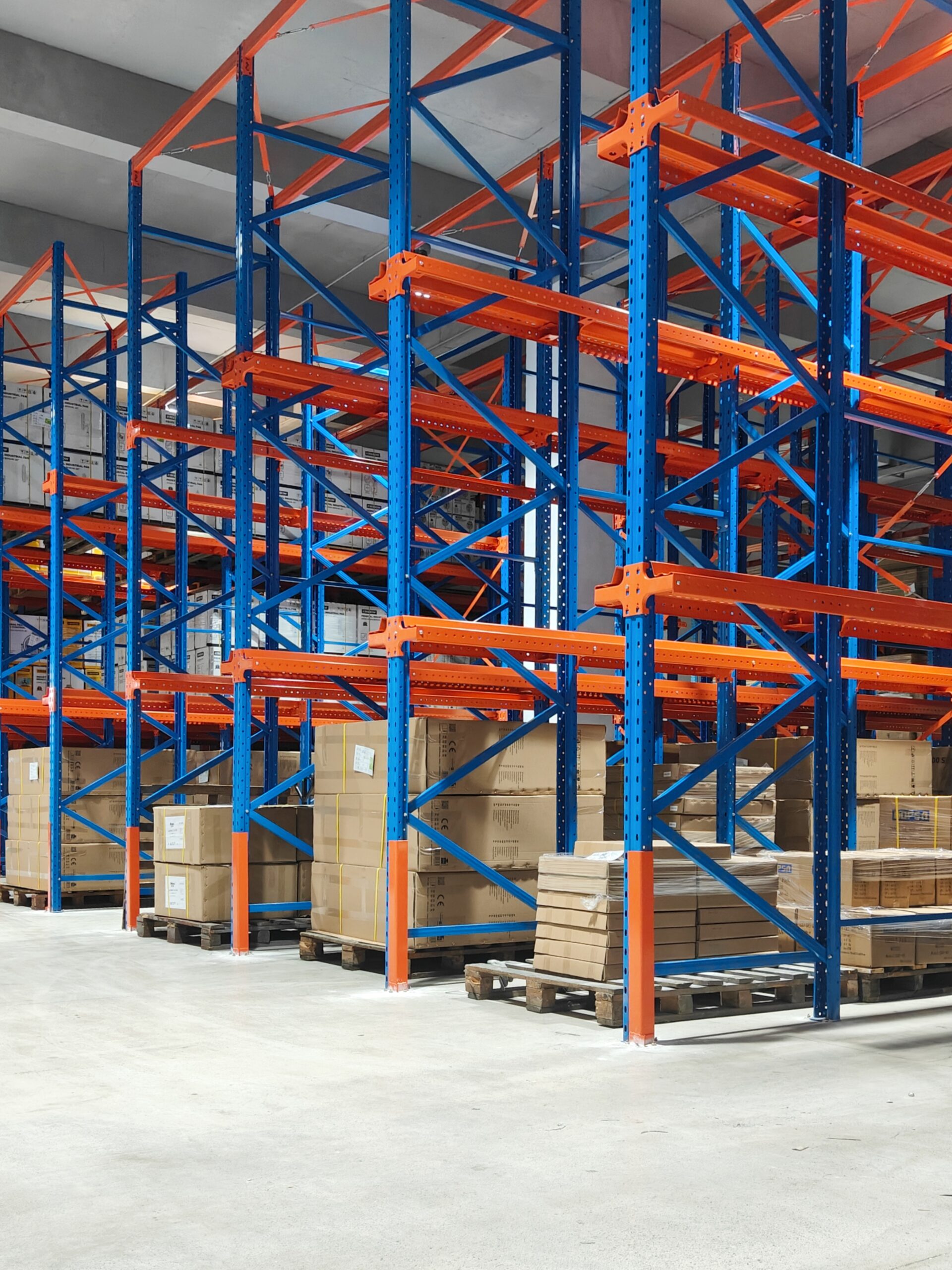
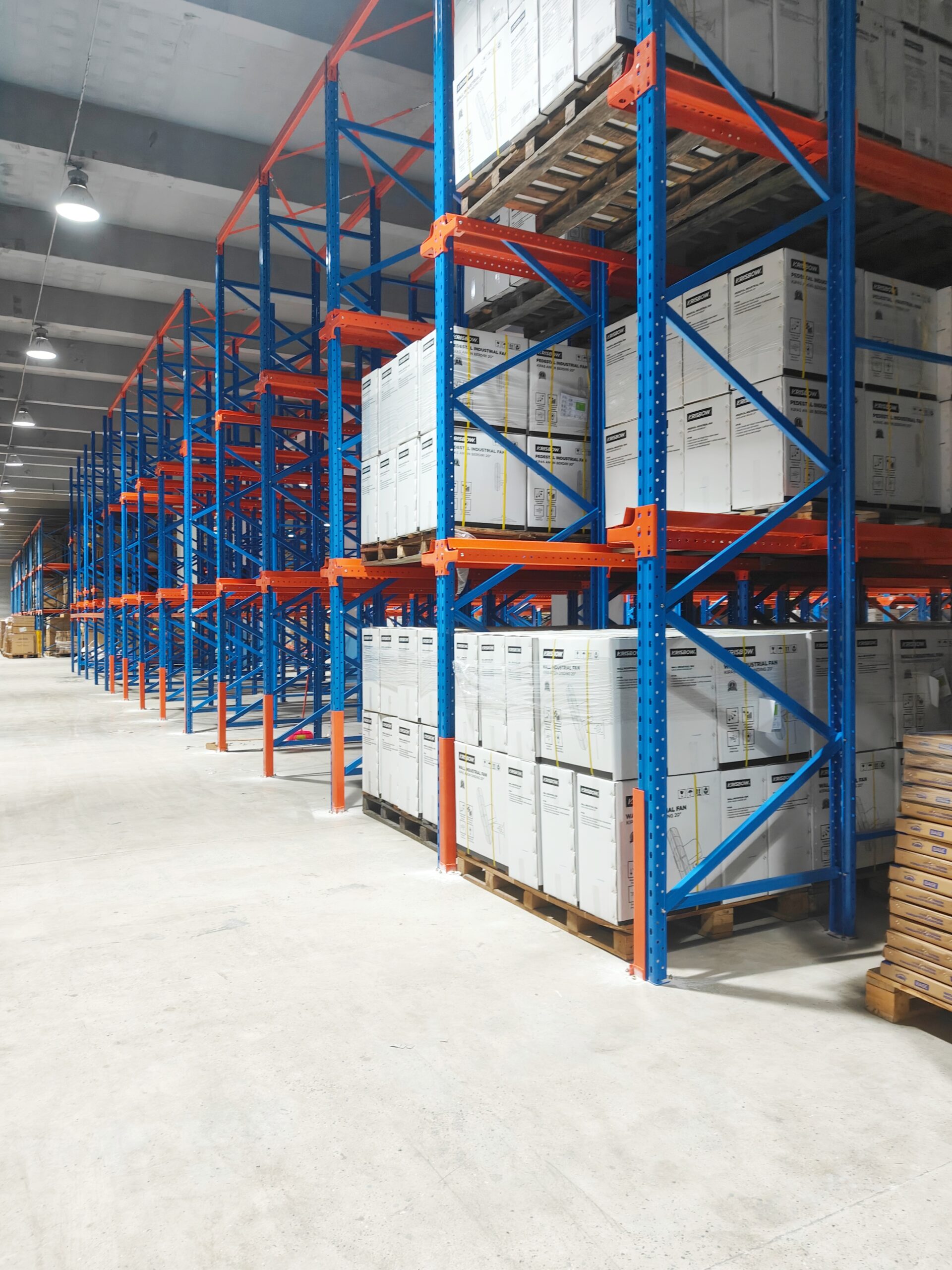
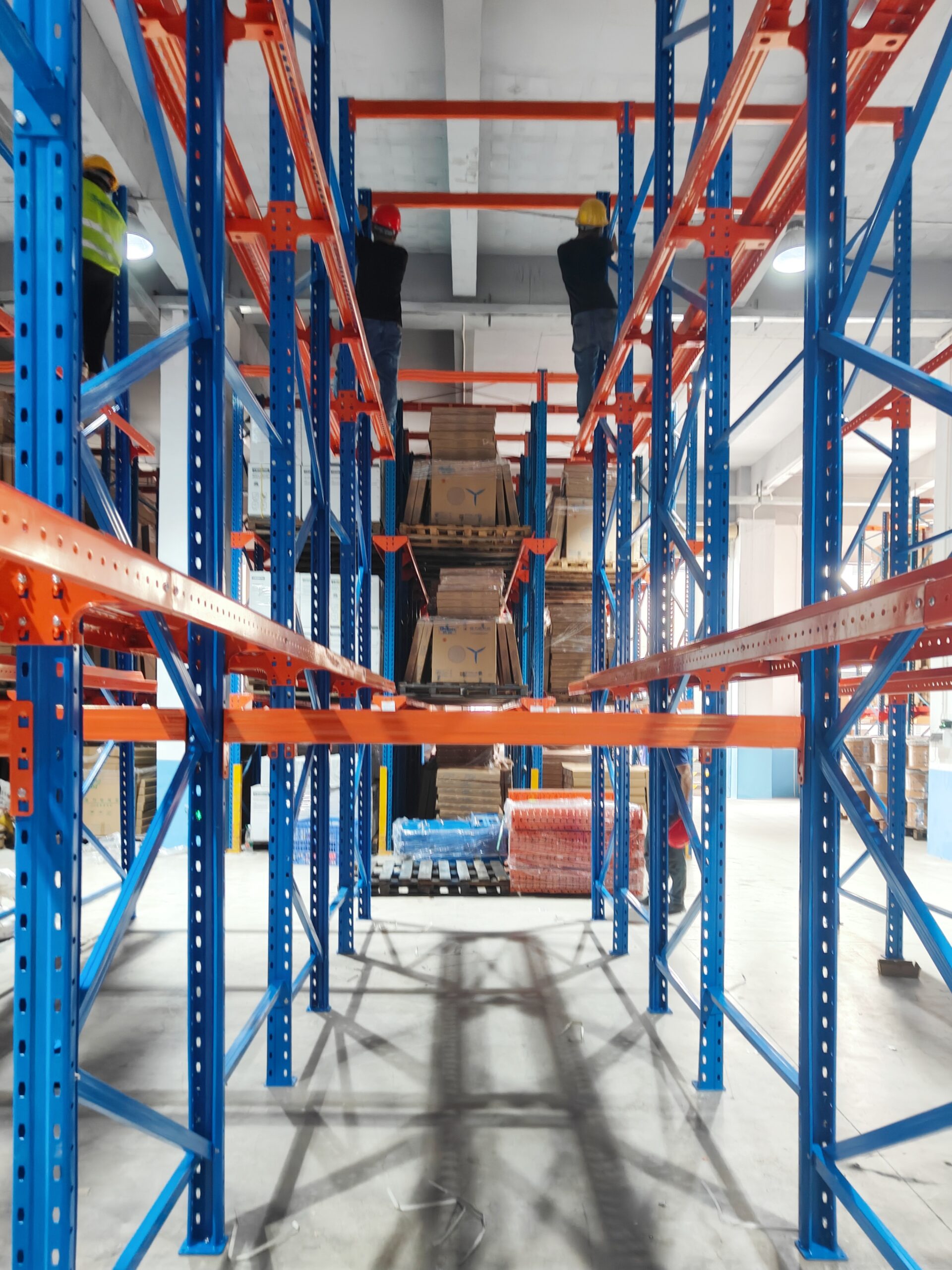
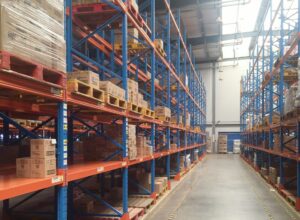
Pallet racking boasts a well-engineered structure mainly composed of upright frames, load beams and safety accessories, delivering outstanding stability and practicality to accommodate palletized goods of all types.
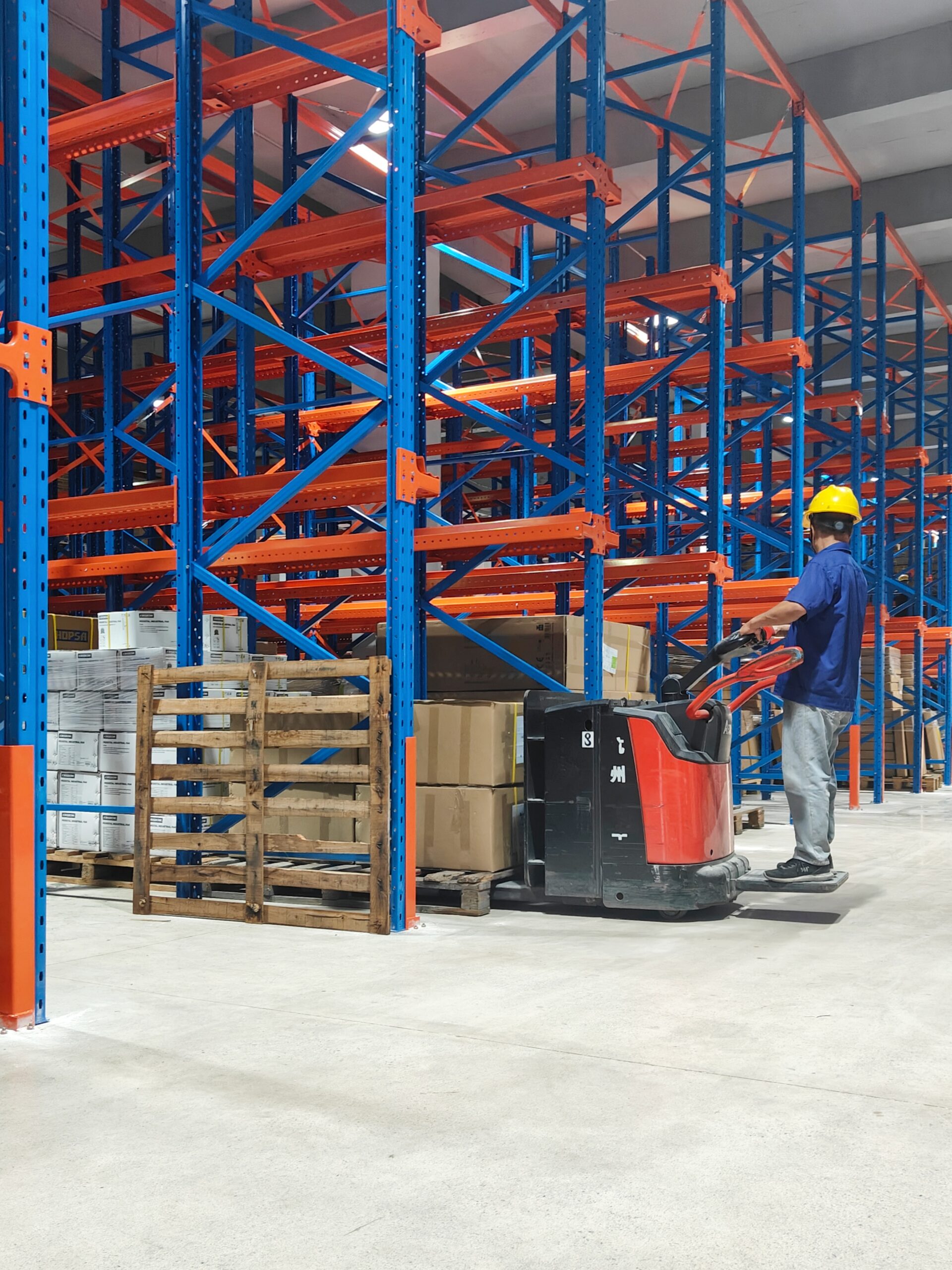
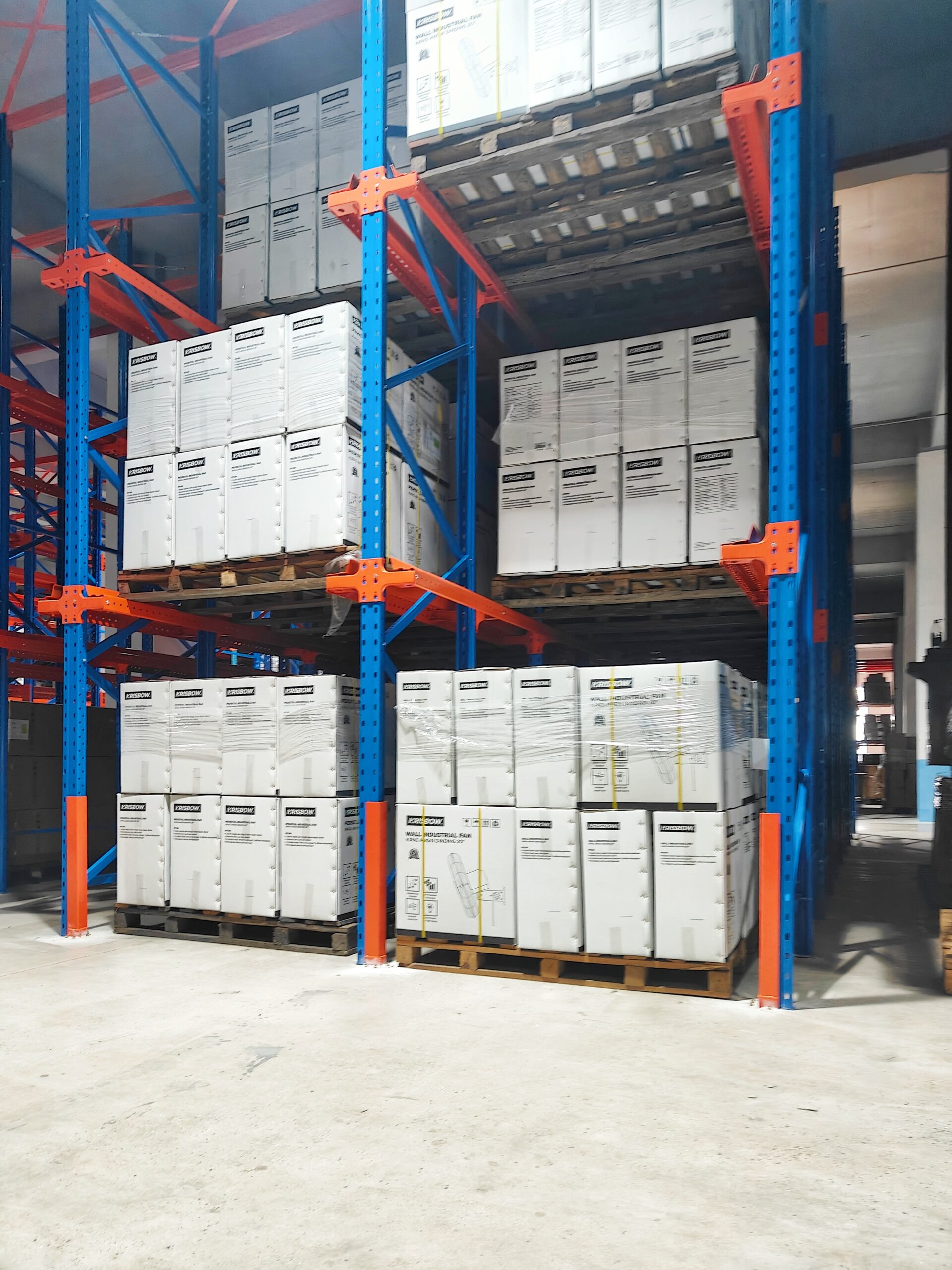
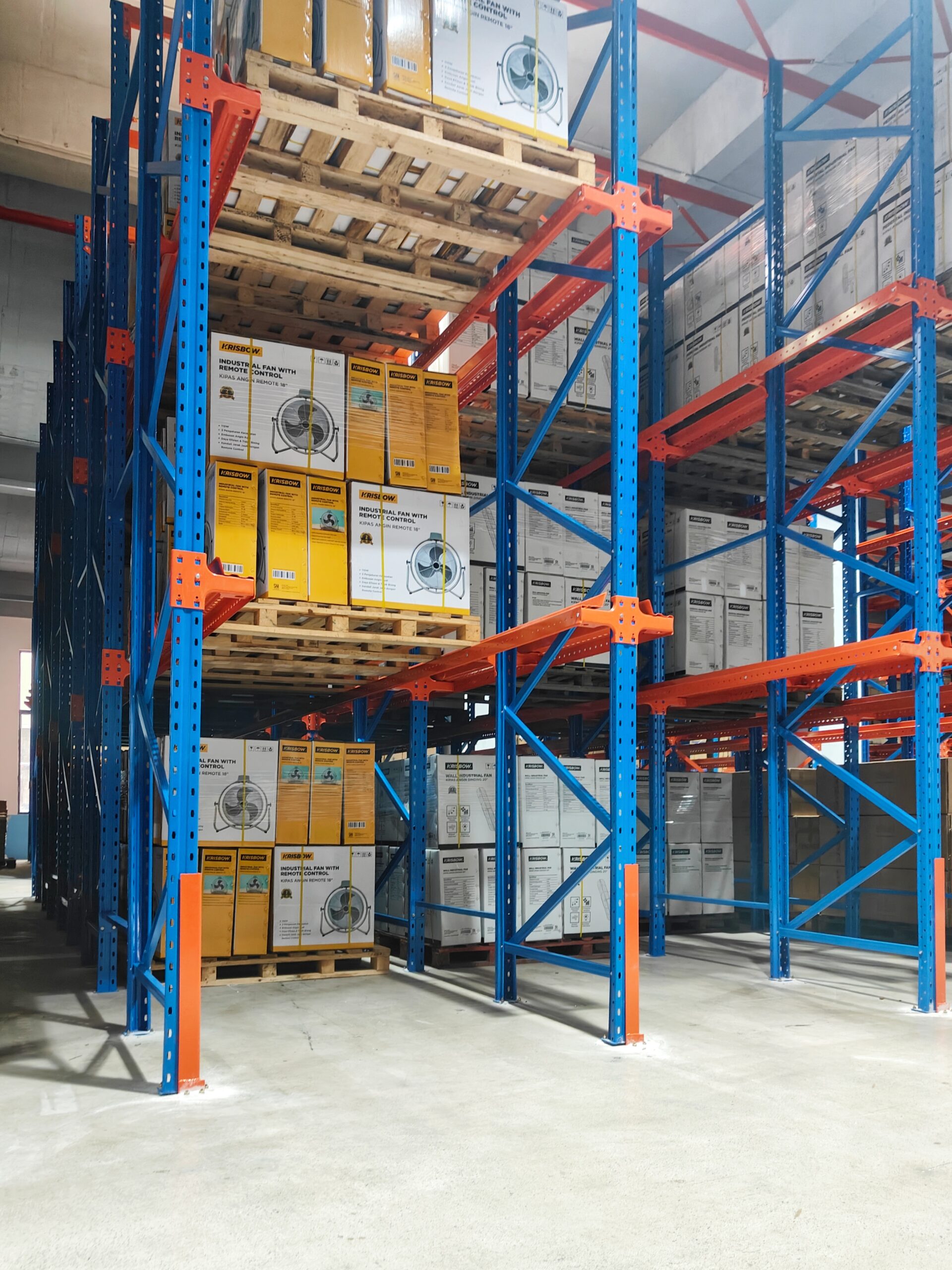
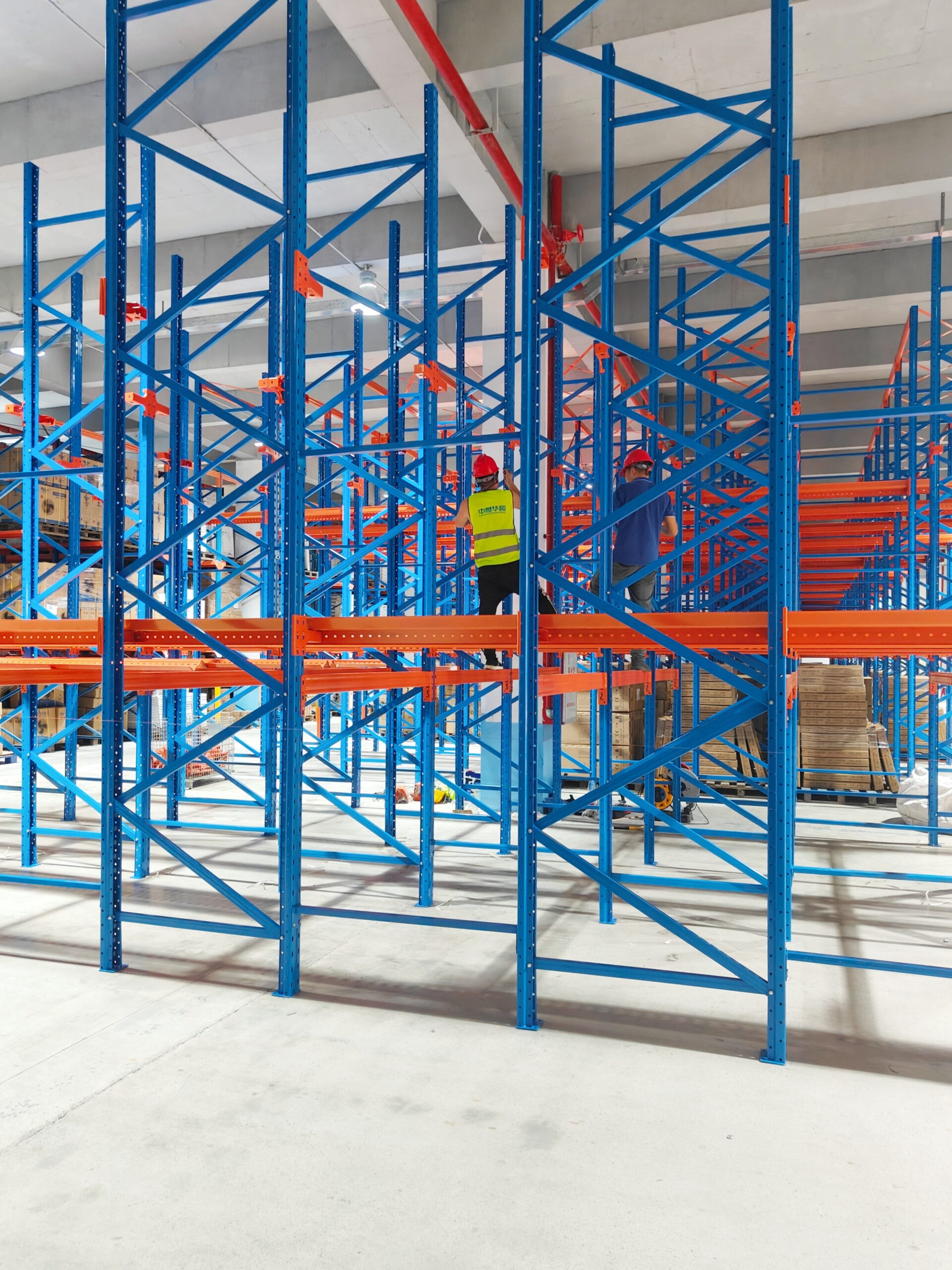
- Upright Frames: Manufactured from high-quality Q235B or Q355B cold-rolled steel with integral forming and anti-rust treatment. The multi-folded design greatly enhances bending and compression resistance. Evenly spaced holes on uprights allow free height adjustment to fit pallets and goods of different dimensions.
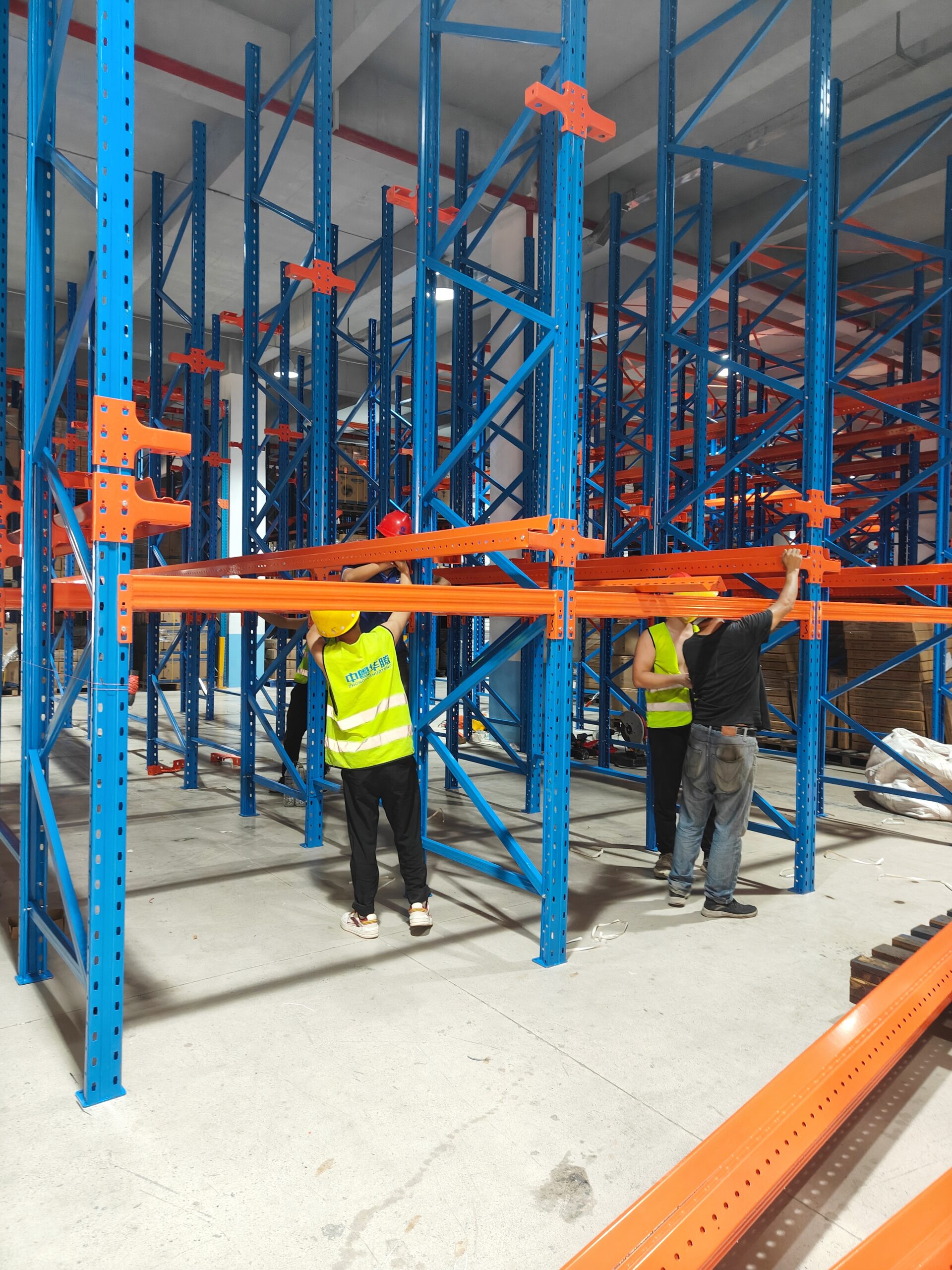
- Beam Assemblies: Adopt specialized cold-rolled P-type closed beams or welded box beams. Connected to uprights via double-sided hook connectors for uniform force distribution, each beam level can bear several tons, ideal for heavy-duty storage. Safety pins are equipped to prevent beams from dislodging for enhanced operational safety.
- Optional Accessories: Steel decking, back stops, column protectors and other accessories can be installed on demand. They are suitable for bulk goods storage, prevent cargo from falling and shield uprights against forklift impacts.
2. Key Advantages
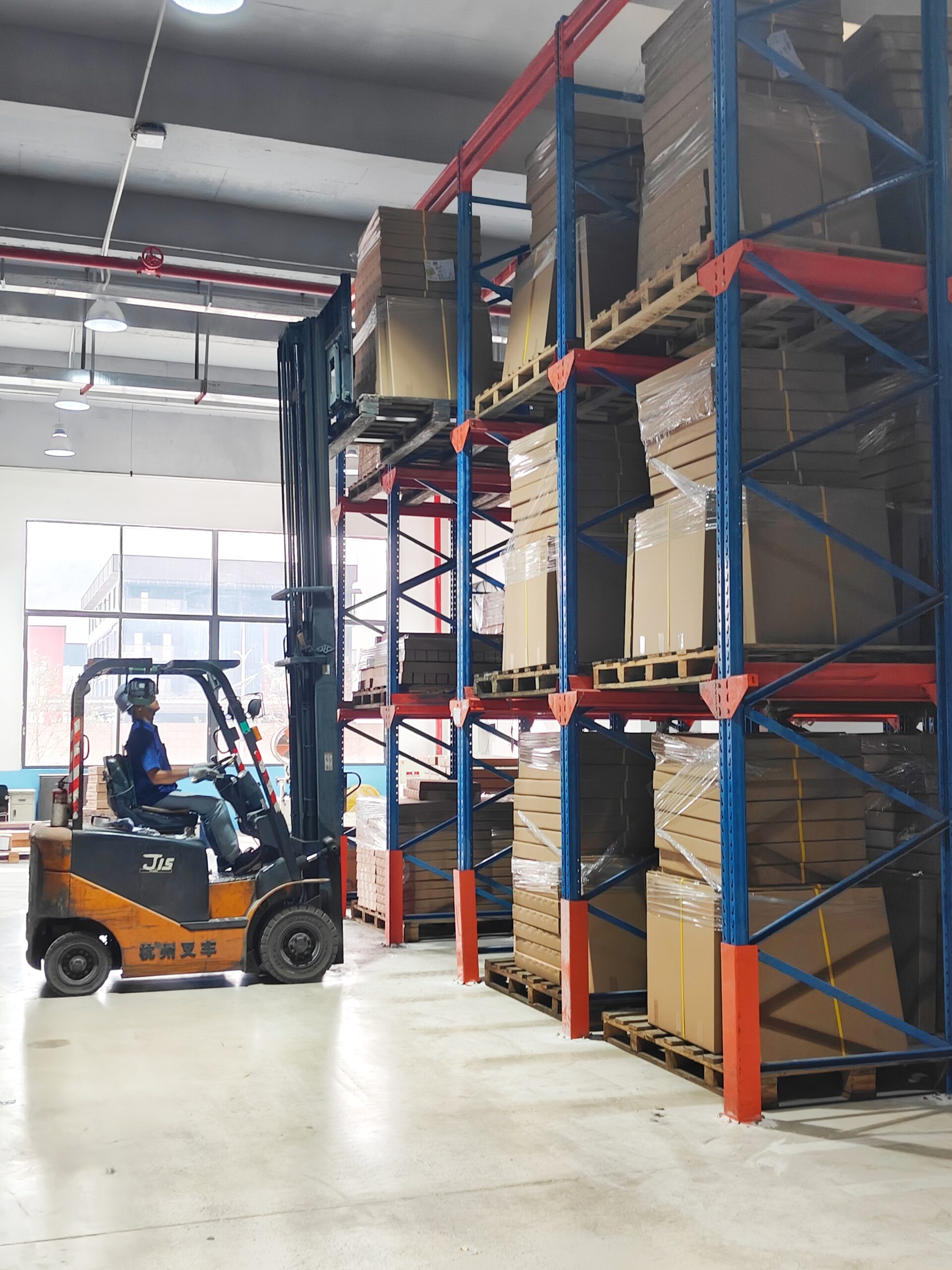
- Fast Access & Flexible Operation Goods can be directly loaded and unloaded by forklifts and pallets with full access to every rack position, enabling First-In, First-Out (FIFO) inventory management. It delivers much higher inbound and outbound efficiency than traditional storage methods, perfectly matching mass inventory operations in manufacturing and high-turnover workflows for e-commerce and FMCG products.
- High Space Utilization It fully leverages vertical warehouse space, with a maximum height of over 12 meters. The multi-tier design raises the floor space utilization rate to more than 50%, effectively solving the problem of insufficient warehouse space.
- Wide Compatibility & Versatility It works well for heavy machinery, auto parts, food, home appliances, electronic components and other standard goods. Adjustable beam heights and spacing cater to diverse item sizes. It is compatible with manual forklifts, electric forklifts, stackers and other handling equipment, fitting warehouse operations of all scales.
- High Safety & Easy Maintenance The rigid overall structure ensures excellent stability. Fitted with safety pins, column protectors and other safety parts, it minimizes operational risks. The modular design facilitates routine maintenance and future expansion, allowing layout adjustments to adapt to business changes without large-scale reconstruction.
3. Main Application Scenarios
Thanks to its strong adaptability, pallet racking is widely used across multiple industries:
- Manufacturing: Stores raw materials, semi-finished and finished palletized goods such as auto parts and mechanical components to support mass production and inventory turnover.
- 3PL & E-commerce Warehousing: Suits storage for multi-SKU and high-turnover goods, supporting rapid order picking and processing to boost logistics and delivery efficiency.
- FMCG & Food Industry: Stores standardized palletized food and daily chemical products. Zoned storage enables batch management and strict FIFO implementation.
- Other Fields: Customized pallet racking is also applicable to warehouses for home appliances, furniture, pharmaceuticals and electronics, as well as cold storage and ambient temperature warehouses.
4. Selection & Operation Guidelines
- Load Matching: Select beams with corresponding load ratings according to the weight of each pallet. Never overload the racking to avoid service life damage.
- Height Planning: Set proper tier spacing based on goods height, pallet size and forklift operating clearance, and reserve sufficient space for safe operation.
- Operational Standards: Operate forklifts slowly and steadily to avoid collisions with uprights and beams. Regularly inspect loose safety pins and connectors.
- Customization: For goods with special sizes or load requirements, turn to professional manufacturers for customized design to achieve perfect matching with your warehouse environment and workflows.
As an all-round solution in the warehousing industry, pallet racking features reliable performance, flexible adaptability and cost-effectiveness. It provides a dependable solution for enterprise warehouse management. Whether for new warehouse construction or existing warehouse renovation, proper application of pallet racking can effectively improve space utilization and operational efficiency, and support the smooth operation of your entire supply chain.
 StorLogi