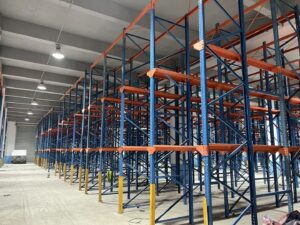
In modern supply chains, warehouse logistics details directly determine corporate operating costs and efficiency. Far more than simple cargo bearing tools, steel pallets and stacking racks serve as core units enabling warehousing standardization, automation and intensification.
I. Core Definitions
Steel Pallets
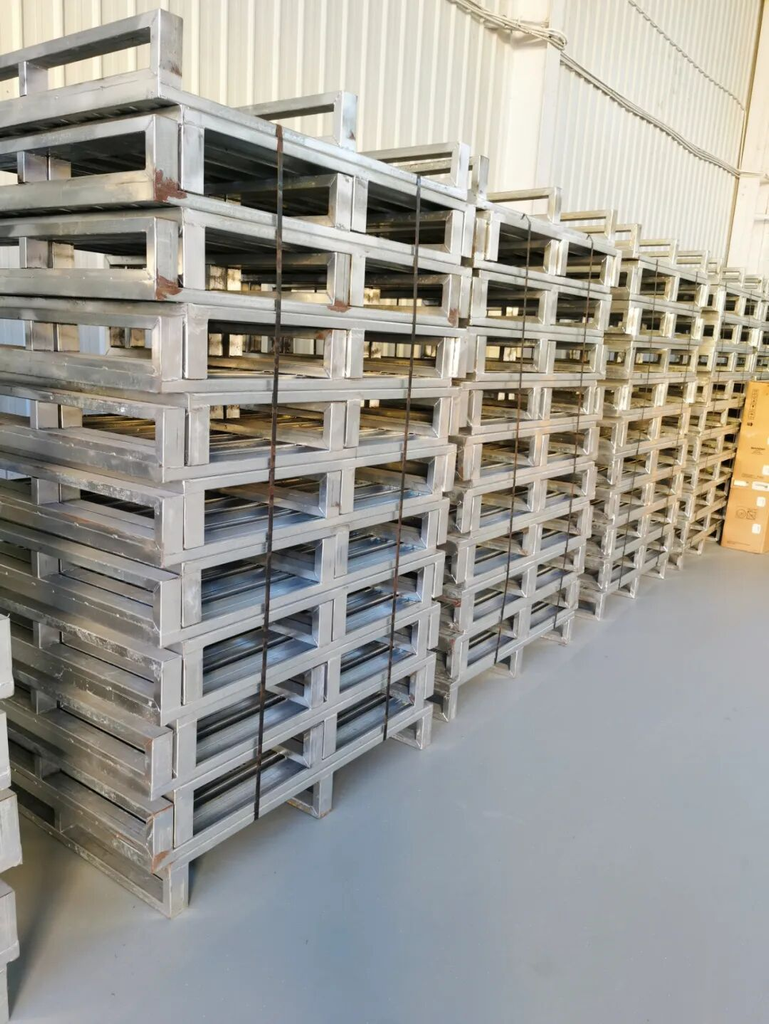
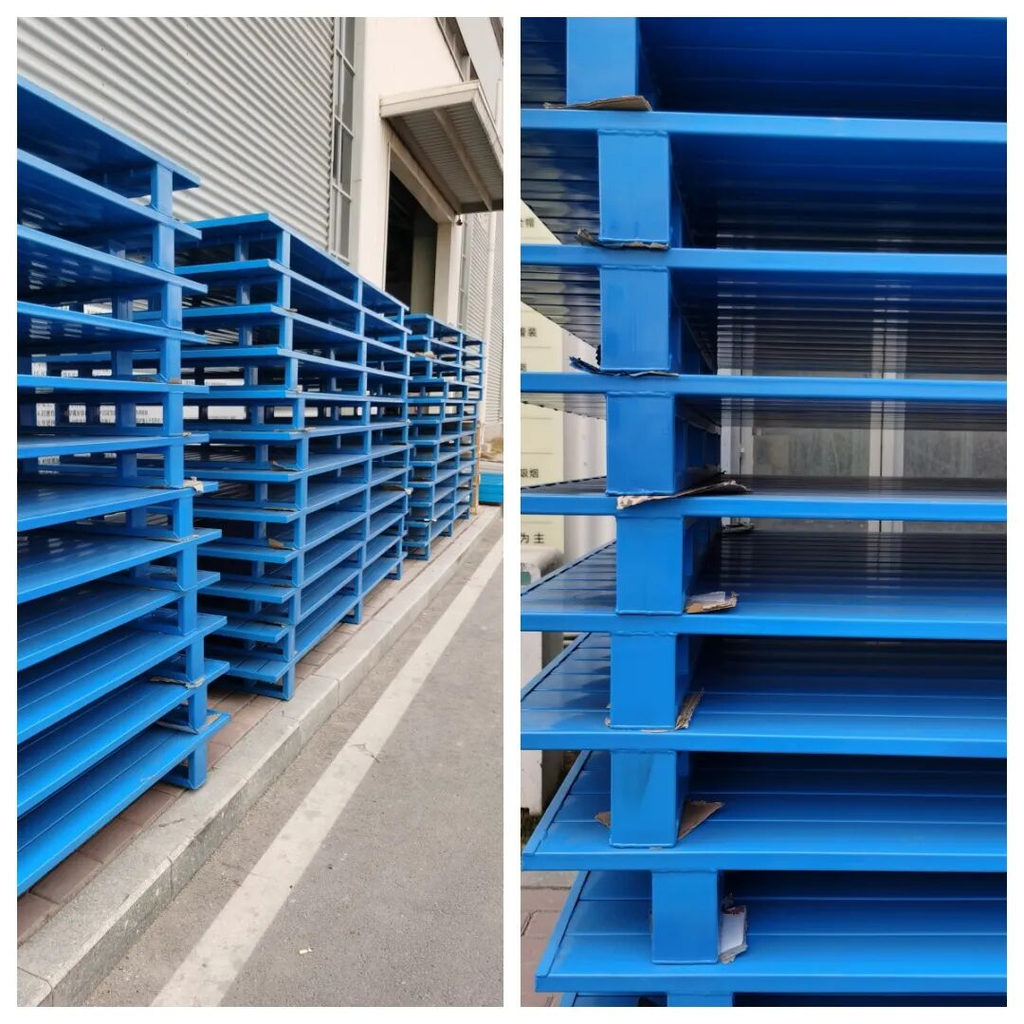
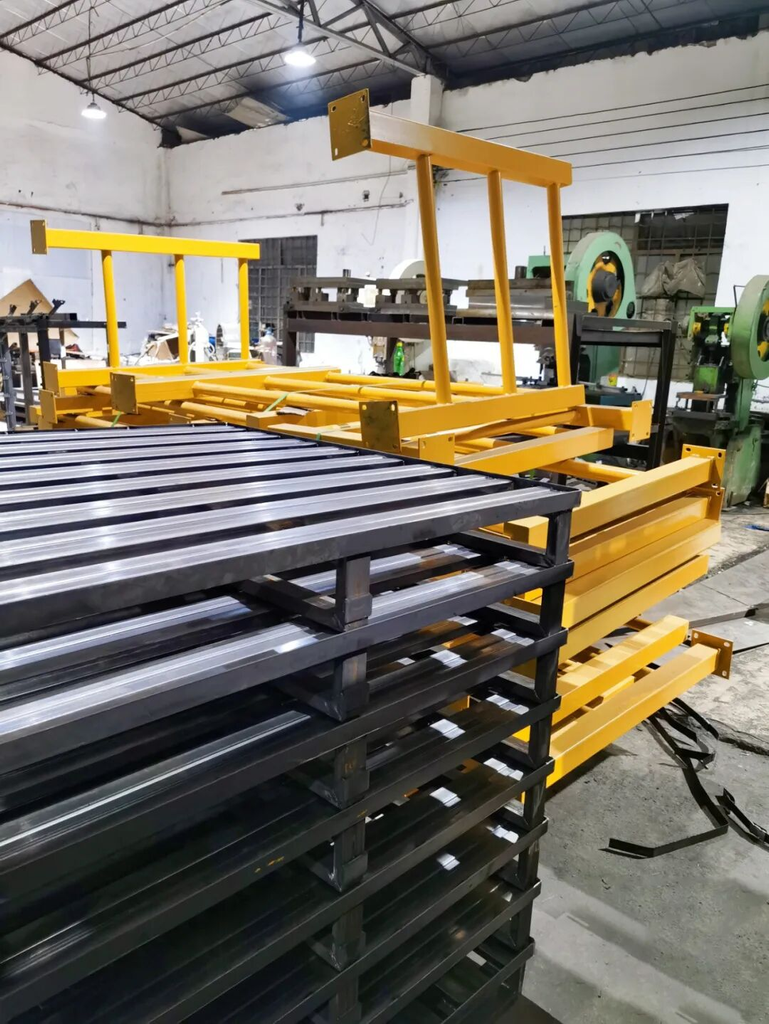
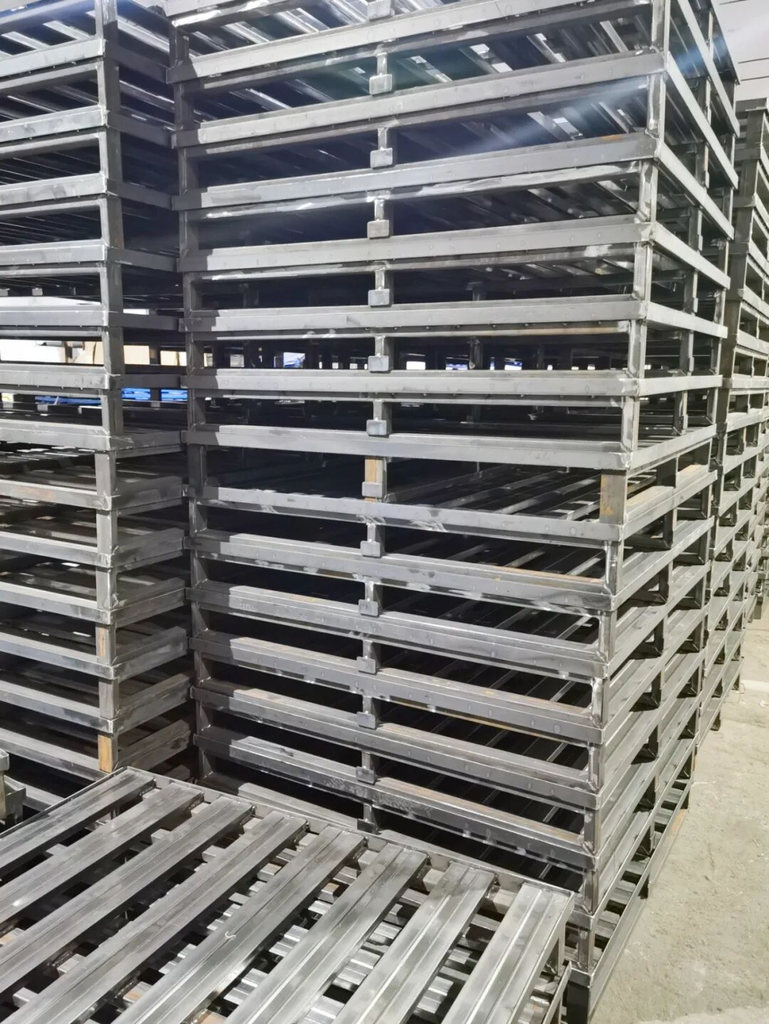
Also known as metal / iron pallets, steel pallets are standardized logistics units fabricated from high strength Q235 steel via stamping, welding and surface finishing. Compared with wooden and plastic pallets, their key strengths are:
High load capacity: 1 3 ton dynamic load; static load up to 10 tons, ideal for heavy weight raw materials and machinery parts.
Long service life: Robust welded structure resists impact, corrosion and deformation. Lifespan exceeds 10 years — 5 10× longer than wooden pallets and 3 5× longer than plastic pallets.
Wide range standard compatibility: Supports GB, Euro and US pallet standards, and works seamlessly with forklifts, pallet trucks, automated warehouses and AGVs for unitized handling.
Eco friendly & compliant: No fumigation required; 100% recyclable, meeting global green logistics requirements.
Stacking Racks
Also called knock down racks, stacking racks are upgraded unit storage devices built on steel pallet bases, fitted with stackable posts and fences. They combine the functions of pallets and shelves:
Space saving stacking: Multi layer stacking up to 4 6 m height maximizes vertical warehouse space for seasonal and turn over goods.
Flexible modular design: Nested when idle (occupying only 1/3 1/4 of working mode space). Customizable posts and fences fit boxed, bagged and barreled goods of various sizes.
Full process unit handling: Forklift compatible for loading, stacking and transportation. Eliminates repeated re handling to cut labor costs and product damage.
Broad industry adaptability: Well suited for auto parts, electronics, food processing and cold chain logistics for high mix, fast turnover inventories.
II. Customized Applications Across Industries
1. Manufacturing
Perfect for heavy duty, high turn over production scenarios (machinery, auto components, hardware):
Secure storage for steel plates, castings and bulky components.
Direct line side deployment for finished goods transfer between production lines and warehouses.
Custom cut pallets support part classification and fast inventory checks for better workshop material management.
2. E commerce & FMCG
Matches high volume, fast paced warehouse operations:
Stackable racks boost storage density during sales peaks; nested storage lowers costs in off peak seasons.
Standard size pallets integrate with sorting lines, AGVs and high bay racks for automated order fulfillment.
Fumigation free for direct export; reusable to reduce cross border logistics packaging expenses.
3. Cold chain & Chemical Industries
Superior performance under harsh working conditions:
Stable from 40 °C to +60 °C; avoids plastic brittleness and wood mildew in cold storage environments.
Galvanized / powder coated surfaces deliver corrosion resistance for chemical material storage.
Non combustible material meets fire safety regulations for chemical warehouses.
III. Core Industrial Value
1. Direct Cost saving Benefits
Less cargo damage: Heavy duty steel construction lowers cargo damage rate by over 80%.
Higher labor efficiency: Unitized forklift handling improves work efficiency 5 10 fold and reduces workplace safety risks.
Lower total of ownership cost: Though initial purchase cost is higher, long service life greatly cuts repeated procurement and maintenance expenses.
2. Indirect Supply chain Upgrades
Realize standardized warehouse layout, inventory counting and order processing.
Fully compatible with automated warehouse hardware, reserving space for future smart warehouse expansion.
Circulatable across suppliers, factories and clients to reduce re loading times and improve overall supply chain collaboration.
IV. Future Development Trends
1. Intelligent Transformation: From Carrier to Data Hub
Embed RFID chips or QR codes to realize automatic goods identification, positioning and traceability.
Sensor integrated high end pallets monitor weight and temperature humidity for real time warehouse data management.
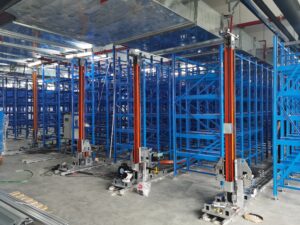
Space compression × efficiency improvement, breaking the contradiction between "storage capacity and operating efficiency" through structural innovation, becoming the optimal solution for bulk cargo storage
The core value of an automated storage & retrieval system (AS/RS) lies not only in its high-density racking structure, but more importantly in the precise collaboration between intelligent equipment such as stackers and the racking system. ...
In the realm of modern supply chain management, efficiency, accuracy, and scalability are not just goals—they are imperatives. At [Your Company Name], we recognize that the backbone of a robust logistics operation lies in a warehouse infrastructu...
 StorLogi