Against the rapid evolution of logistics and supply chains, traditional warehouses face major bottlenecks including low storage-space utilization, inefficient manual picking, chaotic inventory data and high labor costs. Digital and automated warehouse transformation is no longer exclusive to large enterprises, but a necessity for all industries to cut costs and boost efficiency.
This integrated smart warehouse solution combines high-bay racking, intelligent robots and automated conveyor lines to reshape conventional warehouse workflows.
1. Modular High-Density Layout
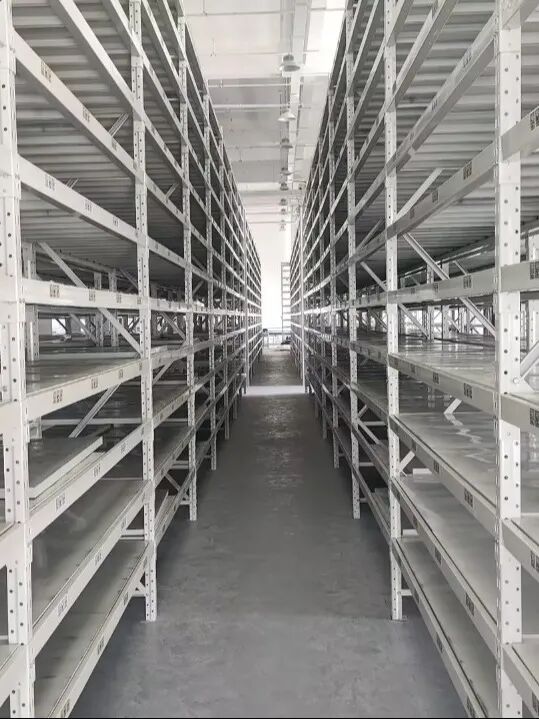
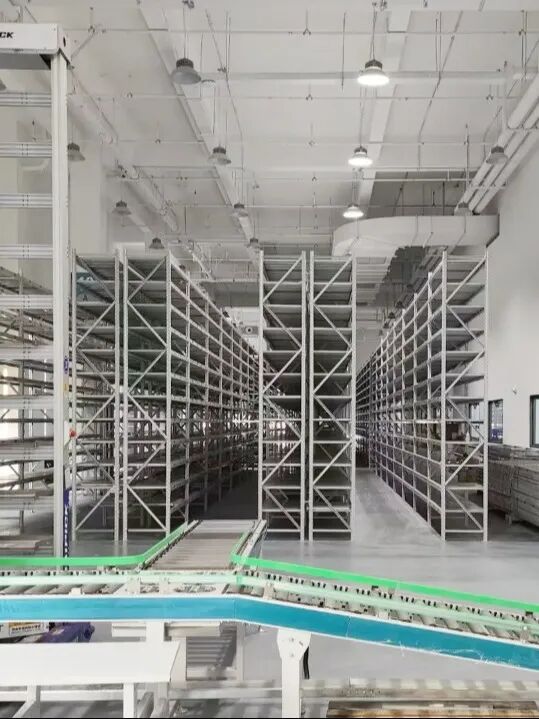
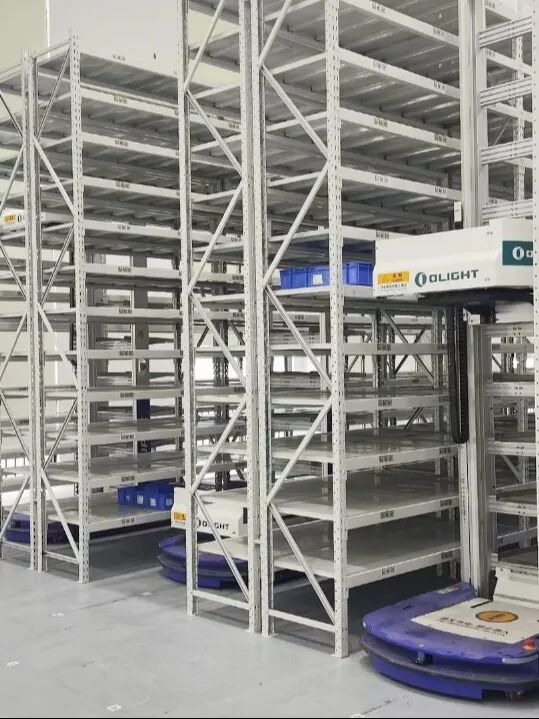
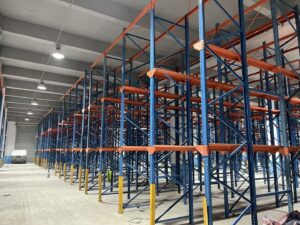
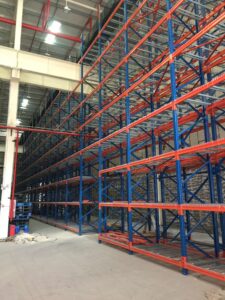
Ditching flat-floor storage, the warehouse adopts high-rise modular racks to maximize vertical space. Storage capacity is multiplied without expanding floor area, resolving space shortages and waste.
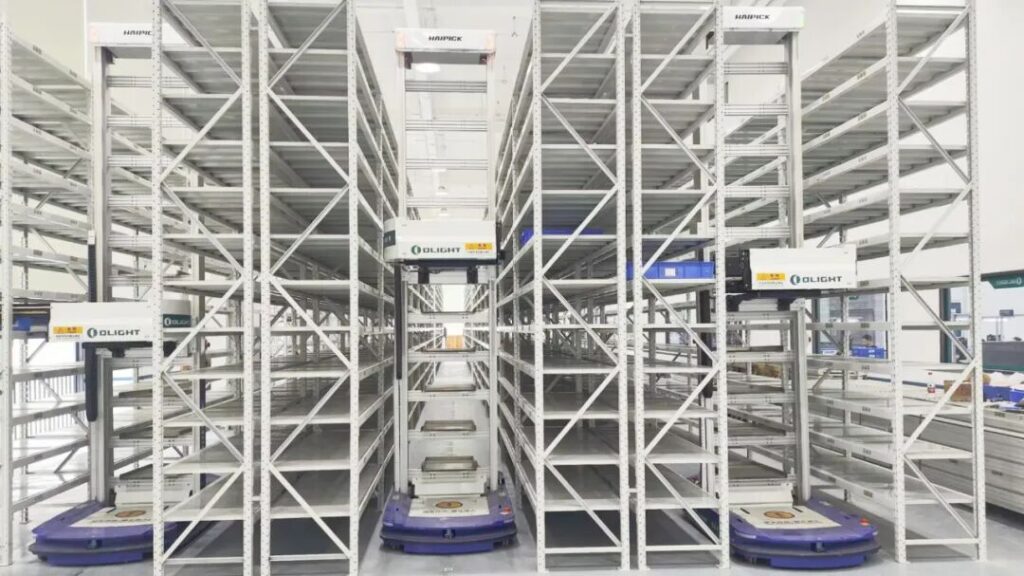
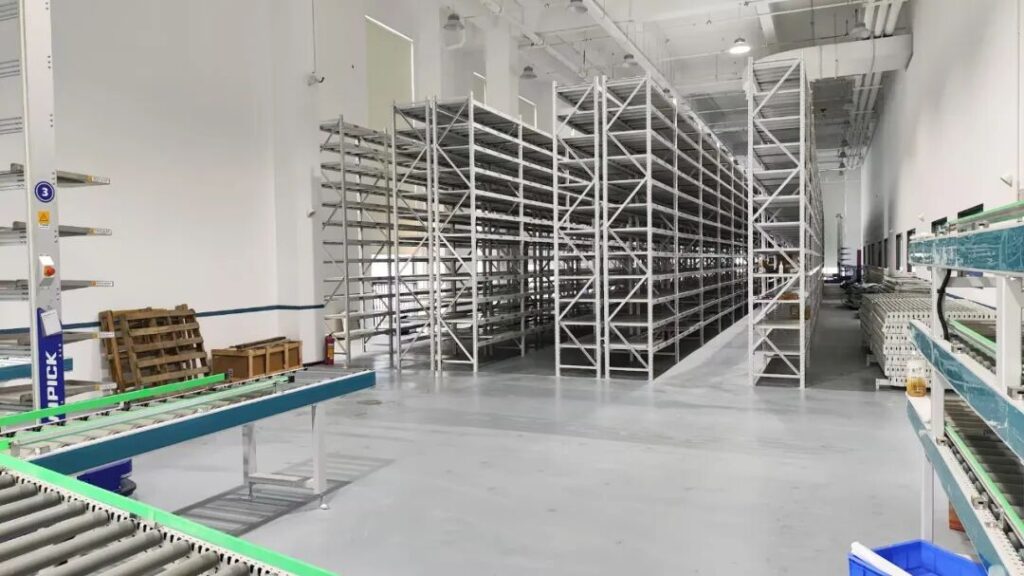
Featuring standardized assembled structures, the racks support adjustable layer heights for small-size goods and standard bins. Each storage location is assigned a unique digital ID for precise location tracking. Carefully planned workflows separate robot lanes, conveyor routes and manual work zones to ensure smooth end-to-end operations from receiving to outbound delivery.
2. Goods-to-Person Intelligent Operations
Traditional picking requires staff to travel extensively among racks, causing heavy workloads, long lead times and frequent picking errors.
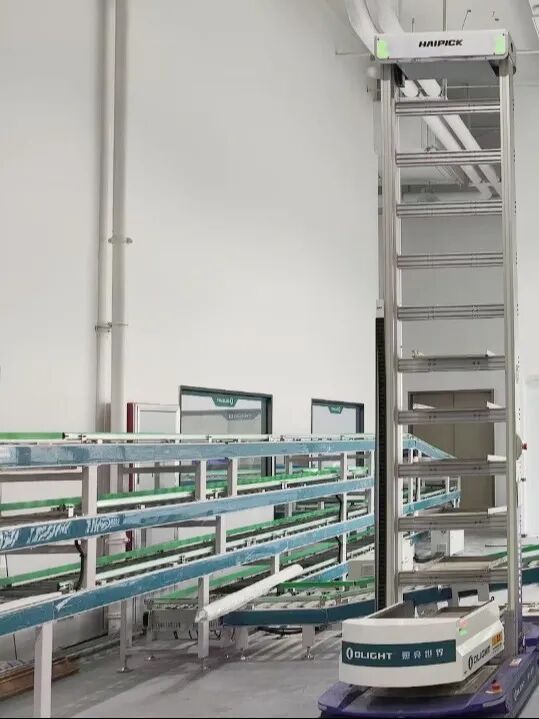
The goods-to-person model transforms this workflow. The system receives, splits and assigns orders automatically. Intelligent robots calculate optimal paths, avoid obstacles, and perform high-level bin retrieval and transportation. Bins are delivered directly to fixed picking stations. Operators only conduct sorting and checking at workstations, eliminating long-distance walking.
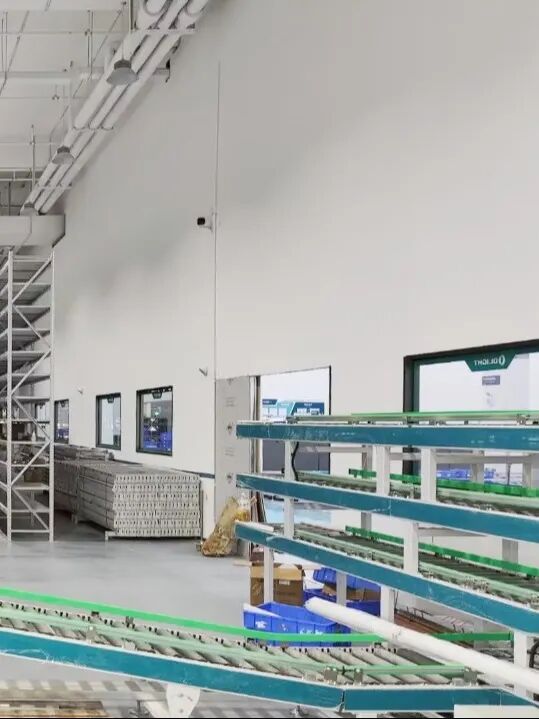
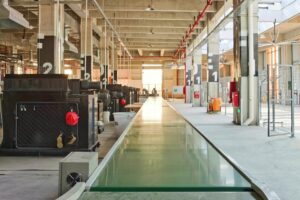
Coupled with automatic roller conveyors, the solution creates a closed-loop automated logistics chain covering picking, checking, packing and outbound processing. Multiple devices work collaboratively for non-stop production, breaking the efficiency limits of manual labor.
Core Benefits
Expanded capacity & lower facility costs High-bay storage increases storage volume by 2-3 times versus conventional flat warehouses. Business expansion can be achieved without plant renovation, cutting rental and fit-out expenses.
Fewer errors & optimized workforce Goods-to-person mode eliminates over 90% of unnecessary human movement. System-driven positioning improves outbound accuracy. Staff are freed from repetitive physical work to focus on refined management tasks.
Digitalized, traceable inventory management The dedicated warehouse management system coordinates automated hardware, enabling real-time data updates and automatic inventory counting. Full-process visibility of receiving, storage and outbound flow resolves inventory discrepancies and enables easy traceability.
Flexible scalability The modular design allows racks and equipment to be added, removed or reconfigured according to business changes. It quickly adapts to order fluctuations and new product categories without large-scale warehouse reconstruction, delivering high cost-effectiveness and practicality.
In modern warehousing systems, the handling characteristics and inventory scale of different goods determine the selection of suitable racking systems. When enterprises are faced with large volume of single-SKU inventory, fixed turnover patterns ...
storlogi Drive-in racking - a high-density storage solution that increases warehouse storage density by 50% or more, making bulk goods storage more space-efficient and space-saving.
StorLogi beam racking supports up to 5,000 kg per level and 12 m uprights, with IoT‑enabled smart management—boost warehouse efficiency, safety, and space utilization
In modern intelligent manufacturing and production line logistics systems, conveyor systems are the core link connecting "equipment-process-capacity". Based on the production characteristics of different industries, we provide end-to-end solution...
 StorLogi